
Menu
News & Research
Read our latest research, policy analysis and commentary
Our publications are available to all at no cost. Please support the CCPA and help make important research and ideas available to everyone. Make a donation today.
-

Will banning youth from AI and social media actually help the “anxious generation?”
Manitoba is going to ban youth AI and social media use. Australia has already done so, and soon Canada could do the same. Is it…
-

Why are Ontario social and community service workers striking?
OPSEU workers are dealing with more work, less funding, and lower wages. So they’re fighting back
-

Magnifica Technologia: Seven key takeaways from Canada’s new AI strategy
The new federal artificial intelligence strategy, AI for All, has all the trappings of a policy document. But it is, at its core, a declaration…
-
Fragile progress: Analysis of past spending and future commitments on MMIWG2S+ calls for justice
Many federal programs linked to the calls for justice have ended or are at risk, while spending on new programs is expected to fall by…
-
Improving primary health care access: Lessons from Canada and Scotland
It’s the foundation of the health care system, but the struggle to access primary care across Canada has become acute
-
Reducing inequality can help tackle the climate crisis
New research shows that reducing inequality can also lead to reductions in emissions—a finding that should guide policymakers working on these issue.
-
The federal government is prioritizing Canada’s pharma company profits
Canada’s health minister just made a substantial speech to the pharmaceutical industry’s most important association—and it doesn’t bode well for public health
-
Sectoral bargaining could be key to fixing Manitoba’s—and Canada’s—labour market
Manitoba has an opportunity to address the low-wage, precarious work that has plagued Canadian workers for decades
-
CUSMA review comes into focus
What Trump and the Democrats agree about the future of North American trade
-
Gender equality funding in Canada: One step forward, two back
A funding reprieve for women’s groups as the government pushes forward with its broader austerity program
-
What cuts to insect scientists tell us about federal austerity in Canada
The federal government is sacrificing vital scientific capacity for ideological reasons—and hamstringing their own policymaking ability in the process
-
The deregulation agenda is putting Canadians at risk
Dismantling regulatory capacity and privatizing state infrastructure leads to disaster
-

Alberta’s ER deaths spotlight systemic hospital underfunding
90 per cent of ER patients waited 37 hours for hospital admission in 2024-25
-
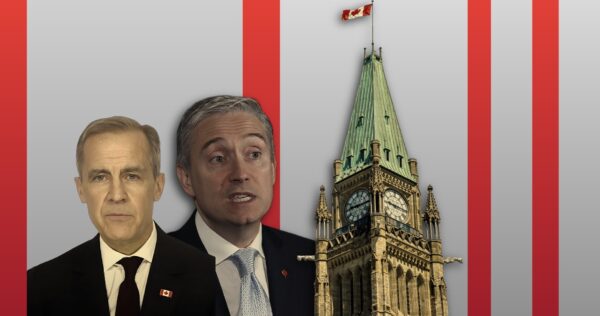
Is Canada’s “honeymoon” with China just a negotiating ploy with the U.S.?
As Canada opens doors to more trade with China, the longevity of such plans is not on stable ground
-
Budget as border: How public systems quietly decide who gets left out
The system begins to fails a student as soon as a budget determines how much or little care, space, and attention the system can afford
-
Ontario school funding shortfall continues to grow, reaching $6.4 billion since 2018
Chronic underfunding, not financial mismanagement, is the problem in Ontario schools. Year after year they are asked to do more with less.
-
There are no trade risks to becoming an Apartheid Free Community
Debunking the myths about Canada’s trade-based procurement restrictions
-
Nuclear disarmament is more important than ever
Mark Carney’s “rupture in the world order” has parallels with discussion about the future of nuclear weapons
-
Failure, by design: Ontario’s deepening hospital funding crisis
The Ontario hospital funding crisis is harming patients, especially people living in smaller and rural communities
-
No gifts for single mothers in Canada’s Spring Economic Update
A third of single mothers are poor and the federal government is failing to act
-
Keep Canadian airports public
The federal government would be making a big mistake if they follow through on an idea to privatize Canada’s airports
-
The “notwithstanding clause:” Or, how to avoid the Charter of Rights
Using the notwithstanding clause as a tool to avoid court challenges over questionable or controversial legislation makes a joke of democracy
-
Student debt: A key driver of financial insecurity across Canada
Despite all the talk of nation building and generational investments, governments are failing to invest in the most important factors of production: labour.
-
Canada’s federal government abandons national pharmacare
There will be no new federal funding for pharmacare. Provinces and territories will have to go it alone.
-
Canada’s new “sovereign wealth fund” is not exactly what it seems
The Canada Strong Fund’s confusing announcement comes with some worrying signals about how it will be used
-
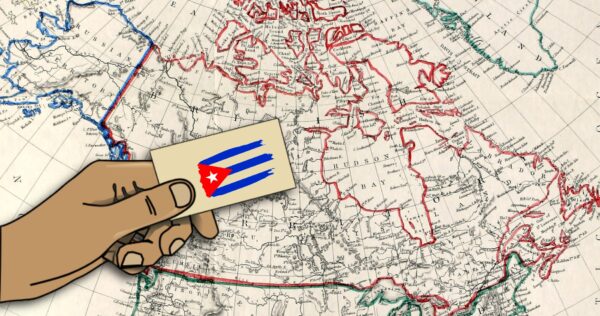
The Canada-Cuba relationship has always been a test of sovereignty
Playing the “Cuba card” has allowed for Canada to assert an independent foreign policy from the United States. It’s time to play it again.
-
See no evil, hear no evil: Anti-trans apologetics under Bill 137 in Saskatchewan
Despite evidence that Bill 137 would harm LGBTQ+ students, public opposition has declined. Grassroots organizations are pushing back
-
Data centres in space are a bad idea
Unpacking the wide array of problems with Silicon Valley’s latest fantasy
-

Decent or precarious? Understanding the quality of employment in Nova Scotia
The lived experience of workers reveals how far we still are from achieving decent and stable work for all.
-
Spring economic update wraps up old ideas as new projects
Empowered with a majority government and new resource revenue, the feds are doing more of the same
-
Alberta’s new health legislation brings U.S. style insurance to Canada
Making a private health insurance market: the risks of the Canadian and U.S. industry to public medicare
-
Canada’s quiet economic driver: Universities and colleges
Universities and colleges drive economic growth more than the manufacturing and oil and gas sectors—but they’re ignored by most governments
-
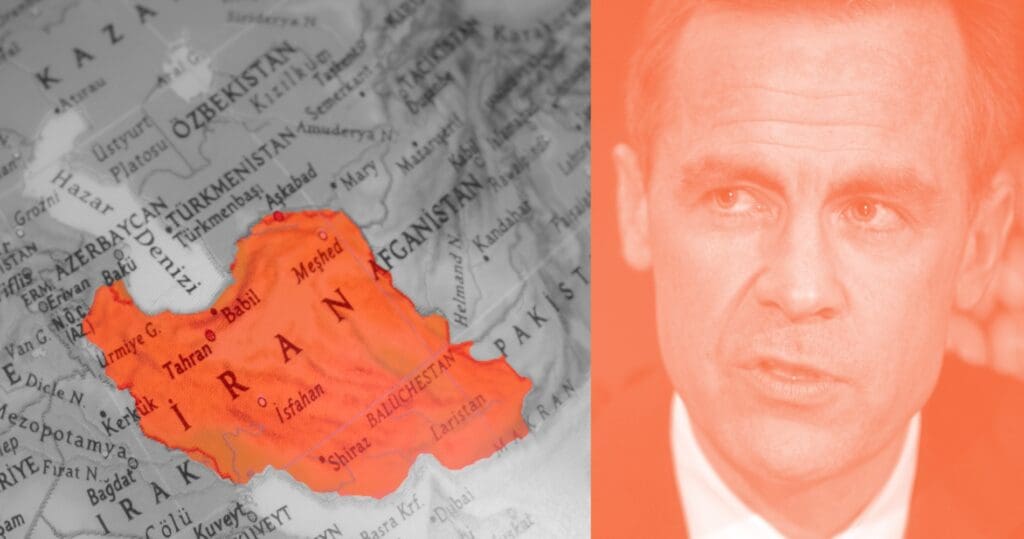
Three big ideas for Canada’s federal fiscal update
Parental leave and health care should be a priority, while implementing a windfall tax on oil profiteers of the war on Iran
-
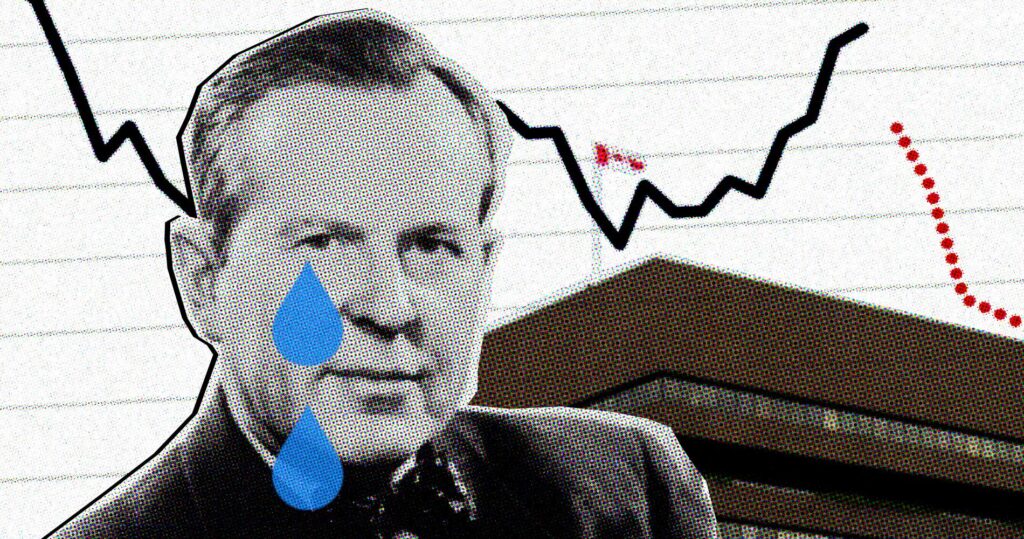
The end of Pearson’s dream: The devastating impact of federal cuts on international aid
Planned cuts will shift Canada’s foreign policy away from peacekeeping and development to self-interested trade and defence
-
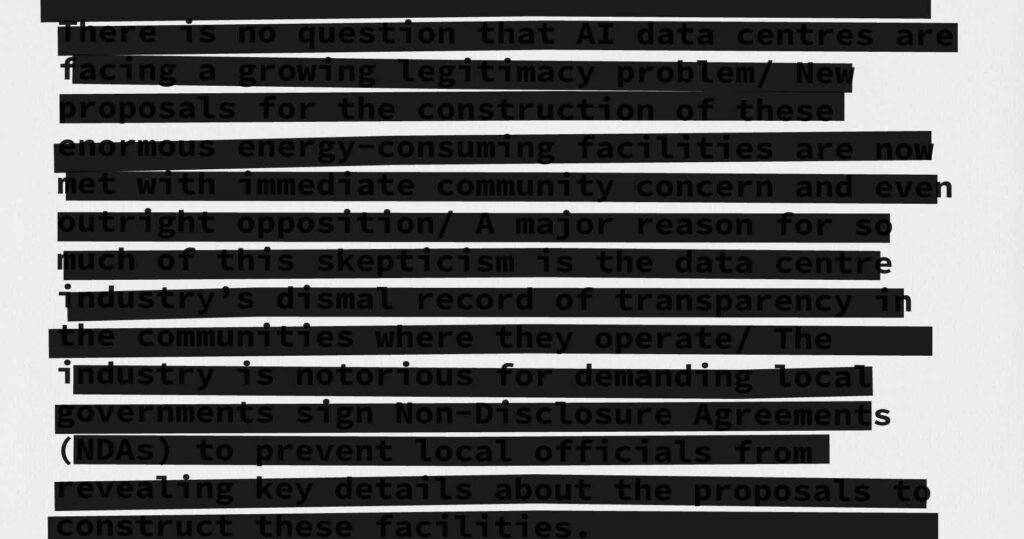
Regina’s AI data centre has a democracy deficit
As AI data centres are facing a growing legitimacy problem the deliberations over a mega-project in Saskatchewan leave much to be desired
-
Canadians oppose the Middle East war. The federal government doesn’t
Canada has consistently refused to condemn the illegal and aggressive actions of the United States against the rest of the world
-
Ontario is getting ready to hand Uber a massive gift
By hitching the “Northlander Rideshare Pilot” to the Northlander train revival, the province is engaged in a major giveaway to the U.S. taxi app
-
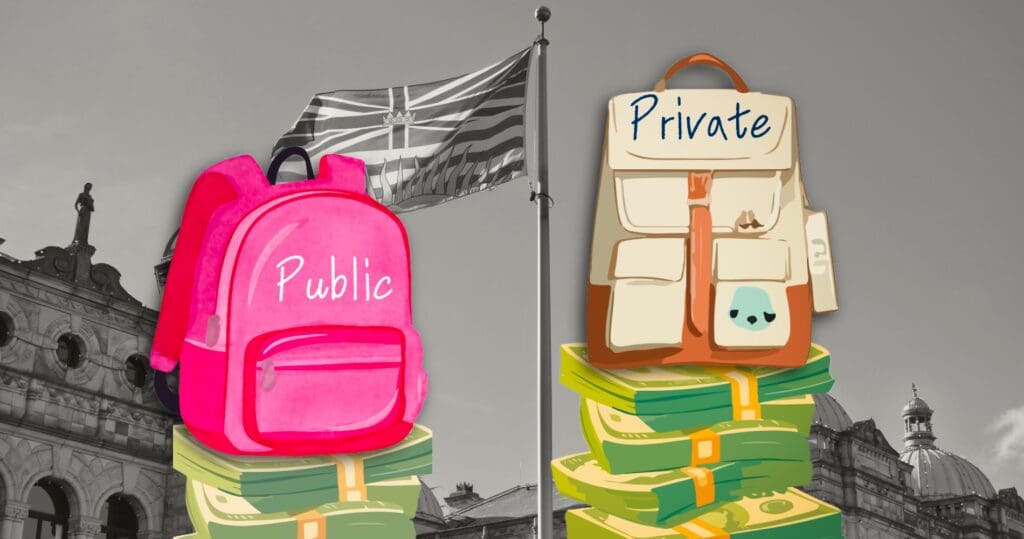
Public funding for B.C.’s private schools is indefensible
Public school funding, as a share of GDP, is declining. Why is the provincial government still funding private schools?
-
Canada’s biggest threats to privacy aren’t what you think
Effective privacy legislation in Canada needs to prioritize the biggest threats—private and extraterritorial surveillance
-
Parental rights and the surging demand for censorship in Canadian schools
Libraries are the battleground in censorship wars; academic freedom and critical thinking are casualties. What does this mean for students?
-
When violence is the system speaking: What Ontario’s schools are telling us
Violence in classrooms is the result of staffing erosion and the offloading of social crises onto unprepared and underfunded schools
-
The hollowing out of public postsecondary education: What do we have to lose?
Is post-secondary education in Canada a pipeline to train students for jobs or a source of critical perspectives essential to a healthy society?
-

The Alberta government legislates two-tier health care, again
As the province becomes the first to encourage self-referral testing—it’s literally “me first” policy
-
What happens to data centres when the AI bubble pops?
As multi-million dollar data centres proliferate, what happens if the A.I. bubble bursts?
-
The oil industry is making billions from the Iran war—it should be taxed
The current windfall could be Canadian oil’s final boom—so the proceeds must be reinvested into economic diversification and industrial planning
-

-
Trump’s war on Canadian cultural policy
Why the Online News Act and Online Streaming Act are in the crosshairs of the CUSMA review
-
The $1 trillion question: Why we are asking you to tax our inheritance
An estimated $1 trillion is moving from the bank accounts and real estate portfolios of the Baby Boomers into the hands of their children.
-
Ontario is underfunding public health care—and private health care is the beneficiary
$3 billion dollar funding gap drives privatization and downloads costs onto Ontarians
-
AI data centres: From boom to backlash
As the public becomes aware of the downside of AI data centres in their community, the need to tightly regulate the industry is becoming clear.
-
“Critical minerals” strategy is going down a cynical road
As the U.S. and China compete for control of strategic minerals and technology, Canada should prioritize climate action over geopolitics.
-
Manitoba Budget 2026
Focus on budget balance overshadows public service rebuild and support for low-income Manitobans in Budget 2026
-
Vitals check: Restoring provincial health spending in Manitoba
Health care spending in Manitoba has increased substantially since 2023, but it will take more to recover from years of underfunding
-
Do trade deals put public health care up for sale?
Alberta’s promised two-tier transition comes with unacknowledged threats from trade and investment agreements.
-
Les élèves de l’Ontario ont besoin de classes plus petites et non pas d’un autre examen de l’OQRE
Les tests ne sont pas le problème. Il est temps de réduire et de plafonner la taille des classes.
-
Achieving the right to housing: Lessons for Manitoba from Finland
You can’t have Housing First without having Housing First — but you need a whole lot more.
-
Saskatchewan budget 2026: Failure to protect
The province needs to protect people from the rising cost of living and to plan for the future. The budget does neither in any substantive…
-
Kicking away the ladder: The true cost of changes to the Ontario Student Assistance Program
Changes to OSAP will drastically reduce access to post-secondary education in Ontario and force more students to take on a lot more debt
-
Deaths following paid-plasma donations demand inquiry
Two Winnipeg deaths following paid-plasma donations at for-profit centres give urgency to provincial and federal responses
-
Mexico’s CUSMA consultations show alignments with Canada
Business overwhelmingly backs the trade pact but with tensions related to tariffs, dispute panels, labour enforcement and Asian imports
-
Patients or profits first?
Saskatchewan’s Patient First health plan still leaves the door open to for-profit services
-
Budget cuts are about to wreck Canada’s immigration system
Crunching the numbers on the announced cuts at Immigration, Refugees, and Citizenship Canada shows a bloodbath in the making
-
Ontario students need smaller classes, not another EQAO review
Instead of chasing explanations for low test scores the government should reduce and cap class sizes in Ontario
-
There’s a long way to go to closing the gender pay gap in Canada
On International Women’s Day, a reminder of the work that remains to be done
-
Will Canada govern AI for the public good?
Beyond the AI race, Canada must take real steps to create a sovereign and democratic AI—and do so in coordination with other middle powers
-
Masters in our own house: Foreign ownership and investment trends in Canada
How much does foreign capital own in the Canadian economy—and how much Canadian capital do we export abroad?
-
Ontario government shows up late and brings little to post-secondary education crisis
Ontario is spending less on education than in 2018, despite “historical” new funding from the provincial government.
-
Fact check: Alberta’s new two-tier system is not “European” health care
The Alberta government is engaged in the most significant challenge to single-payer health care in Canada since the creation of public medicare
-
Webinar: U.S. health care comes to Canada: What to know and how to fight it
Join us for an important webinar: U.S. health care comes to Canada—let’s fight it!
-
Lettre ouverte à l’honorable Mélanie Joly, ministre responsable de Statistique Canada
Statistique Canada est un organisme de renommée mondiale et son travail est au cœur d’une démocratie éclairée. Les compressions budgétaires imposées à l’agence doivent être…
-
GST rebate: why aren’t provinces matching federal measures?
Affordability is not just a federal responsibility—it’s also a provincial one.
-
The numbers don’t lie: The housing crisis is not caused by a supply shortage
Financialization, not demographics, caused the cost of housing to explode
-
The end of Canadian medicare? Alberta legislation opens the door to U.S. health care
Alberta’s two-tier health care legislation ends single-payer public health care and puts Canadian medicare at risk
-
Carney in Davos: Neoliberalism in a nicer suit
Prime Minister Mark Carney is receiving international accolades for his Davos speech in which he said what many have argued for years about the U.S.-led…
-
In Ontario, it’s a time of plenty for private health care while public hospitals starve
Ontario public hospitals face large deficits even as the provincial government doles out more cash to for-profit providers.
-
Provinces need to own their responsibility for expanding low-fee child care
In advance of tomorrow’s meeting among Canada’s federal-provincial-territorial ministers who are responsible for child care in this country, it’s clear most of the provinces need…
-
Nova Scotia Alternative Budget 2026: For the many
There are solutions to end the housing crisis and make life more affordable for the majority of people, what’s needed is action.
-
Resist: It’s the only response to authoritarianism and murder in Minneapolis
Minnesotans put their lives on the line to defend their neighbours and their democracy. They have set the standard for what it means to resist.
-
The last mile: Provincial child care expansion at the five-year deadline
Child care has become more accessible over the past five years but finding affordable spaces is still a frustrating experience for many parents
-
Bill C-15 would allow corporations to be exempt from most Canadian laws
Buried on page 300 of the government’s omnibus budget implementation bill is an extremely troubling clause regarding corporate power in Canada—one that allows all cabinet…
-

Canada resets relations with China
Prime Minister Carney can be pleased with the results of his first official visit to China. Through a temporary trade truce, and a list of…
-
How public grocery stores could work in Canada
Public options already exist elsewhere—the secret is building them at scale
-
The widening gap: Gender segregation and job polarization in the post-pandemic labour market
The post-pandemic recovery opened the door to better jobs for some female workers but the wages and working conditions of low-waged workers remain unchanged
-
A new pipeline is the wrong response to the U.S. takeover of Venezuela
Immediately after Venezuelan President Nicolás Maduro was apprehended by United States President Trump, the Globe and Mail editorial board quickly pivoted from condemning the action…
-
Countdown to the CUSMA review
There goes the neighbourhood. I’m talking about the Western Hemisphere, America’s “backyard” in the now fully operational Donroe Doctrine. Canada-U.S. relations, a constant preoccupation of…
-
Every data centre is a U.S. military base
Understanding how the United States uses its tech companies to serve empire
-

-
The trade war goes digital
Notes on how trade agreements prevent Canada from exercising digital sovereignty.
-
A digital infrastructure plan
Asserting digital sovereignty means mapping out the real world of digital infrastructure and understanding which parts are for public intervention
-
Living the high life: A record-breaking year for CEO pay in Canada
By 9:23 a.m. on January 2, 2025 Canada’s 100 highest-paid CEOs had made what the average worker will make all year
-
2025 was Canada’s year of Mark Carney: What have we learned about his economic policy agenda?
A year ago, Mark Carney was just a glimmer in the eye of a Liberal party that was inevitably headed for a horrendous defeat at…
-
Buy Canadian Policy: The good, the bad and the ugly
On December 16, the federal government’s Buy Canadian Policy officially came into effect. This is the first step towards fulfilling the Buy Canadian Policy as…
-
The Alberta-Canada MOU is an early Christmas present for the oil and gas industry
A detailed memorandum of understanding (MOU) between the federal and Alberta governments, released late November, looks like a political game-changer but is most likely an…
-
Canada Post is already one of the world’s most cost-effective postal systems
There’s a common narrative about why Canada Post is in such bad shape—the company’s financial difficulties lie in excessive spending, and that the decline of…
-

Manitoba Fiscal Update: investing in the long-term should be prioritized over a short-term budget balance
FOR IMMEDIATE RELEASE December 15, 2025 WINNIPEG (TREATY ONE) – Manitoba’s second quarter fiscal update, released this afternoon, provides a snapshot of the difficult fiscal…
-
Crunching the numbers on postal banking in Canada
Among the many proposals to transform Canada Post, one stands out: postal banking. It’s a program that could contribute to solving multiple policy problems at…
-
The “Combatting Hate Act” is part of a wave of anti-protest legislation in Canada
On September 19, amidst a flurry of other new federal legislation, Justice Minister Sean Fraser introduced Bill C-9, the Combatting Hate Act. The act, according…
-
Transforming Canada Post—for the better
On November 7, Canada Post submitted a proposal to the federal government outlining its proposal to restructure the postal service—a proposal which the federal government…
-
Consulting firms’ latest hustle: Using AI to write government reports
The Government of Newfoundland paid private consulting firm Deloitte $1.6 million for a Health and Human resources plan that contains fabricated sources—reminiscent of the hallucinations…
-

Video: Dream Weavers
Artists Jess Klassen and Chantel Mierau invited people to weave together a better Winnipeg at Nuit Blanche Winnipeg 2025. A strip of blue fabric for…
-
Prescription drug prices are very likely to increase in Canada
Canada has a drug price problem, and it risks getting a lot worse in the near future. Canadian prices for patented drugs are already the…
-
Updating Canadian law to address online hate and gender-based violence
Social media and online platforms are fueling a surge in hate speech, hate crimes, and technology-facilitated gender-based violence (TFGBV, in technical jargon) both in Canada…
-
COP30: Canada continues to be a global laggard on climate action
The COP30 Global Climate Summit in Belém, Brazil marked the 10th anniversary of the landmark Paris Accord, where countries agreed to limit global warming to…
-
Mortality and health care privatization: A comparison between countries
Privatization is deadly. Canada needs to learn from other countries and focus on public health care instead.
-
Talking ‘bout my generational investment: Why the federal budget fails to meet the moment
Budget 2025 featured talk of “generational investments” and proclaimed a headline number of $1 trillion in combined new public and private investment over five years.…
-
Manitoba is worse off thanks to the new federal budget
The budget tabled by the federal government on November 4 sets out a path that will worsen income inequality in Manitoba and squeezes the provincial…
-
Investment treaties, UNDRIP and the Building Canada Act
“Build big things” has become a mantra of the current federal government. Partly in an effort to lessen our economic vulnerability to U.S. shocks, Prime…
-
Canadian climate policy a decade after the Paris Agreement: The good, the bad and the ugly
The Paris Agreement was signed in 2015 by 196 countries amid a wave of global urgency to confront the defining crisis of our time—climate change.…
-
The path to prosperity set out in budget 2025 leaves millions behind
The millions struggling to pay their rent and put food on the table were looking for relief in budget 2025—and they were disappointed.
-
Will the feds’ climate climb down placate petro-province premiers?
Perhaps lost in yesterday’s federal budget news dominated by job cuts and military spending is the extent to which the federal government is also abandoning…
-
2025 federal budget analysis roundup
This page exists to bring together progressive policy organizations’ responses to the 2025 federal budget. Keep an eye on this page, as it will continue…
-
Post-election budget could plunge Canada into another federal election
With so much on the line, the newly elected federal government has tabled a budget that, in many ways, could pass as a Conservative budget.
-
CUSMA 2.no
Submission from the Canadian Centre for Policy Alternatives to the Government of Canada consultation on the mandated review of the Canada-U.S.-Mexico Agreement (CUSMA)
-
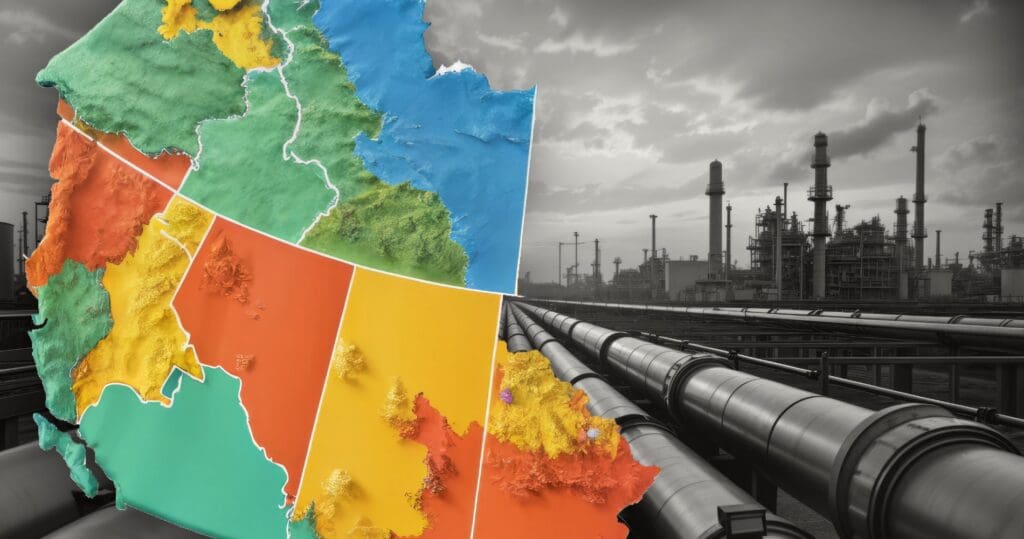
Elbows up: A practical program for Canadian sovereignty
A playbook for economic self-sufficiency. Because Canada can’t become a sovereign country by doing the same old things.
-
Responding to Trump demands a holistic,inclusive, sustainable national strategy
U.S. President Donald Trump’s attacks on Canada’s economy and sovereignty confront Canadians with a historic challenge. We must once again demonstrate our shared commitment to…
-
Budget cuts by stealth: Letting programs “sunset” to cut costs won’t be painless
The feds will quietly “sunset” programs as part of their cost-cutting in the November 4, 2025 budget. Quiet cuts can still hurt.
-
Alternative federal budget 2026: Health equity
What the Canadian government should do on health equity. Because true independence needs a new economic model.
-
Alternative federal budget 2026: Acknowledgements
Many people contributed to this unique Canadian effort. Because true independence needs a new economic model.
-
Alternative federal budget 2026: Seniors’ and long-term care
What the Canadian government should do on seniors’ and long-term care. Because true independence needs a new economic model.
-
Alternative federal budget 2026: Artificial intelligence
What the Canadian government should do on artificial intelligence. Because true independence needs a new economic model.
-
Alternative federal budget 2026: Racial equity
What the Canadian government should do on racial equity. Because true independence needs a new economic model.
-
Budget fédéral alternatif 2026 : Éducation postsecondaire
Ce que le gouvernement canadien devrait faire en matière d’éducation postsecondaire. Une véritable indépendance exige un nouveau modèle économique.
-
Budget fédéral alternatif 2026 : Pauvreté et sécurité du revenu
Ce que le gouvernement canadien devrait faire en matière de pauvreté et sécurité du revenu. Une véritable indépendance exige un nouveau modèle économique.
-
Alternative federal budget 2026: Incarceration
What the Canadian government should do on incarceration. Because true independence needs a new economic model.
-
Budget fédéral alternatif 2026 : Santé
Ce que le gouvernement canadien devrait faire en matière de santé. Une véritable indépendance exige un nouveau modèle économique.
-
Budget fédéral alternatif 2026 : Fonction publique
Ce que le gouvernement canadien devrait faire en matière de fonction publique. Une véritable indépendance exige un nouveau modèle économique.
-
Alternative federal budget 2026: Post-secondary education
What the Canadian government should do on post-secondary education. Because true independence needs a new economic model.
-
Alternative federal budget 2026: Gender equality
What the Canadian government should do on gender equality. Because true independence needs a new economic model.
-
Budget fédéral alternatif 2026 : Soins aux aînés et soins de longue durée
Ce que le gouvernement canadien devrait faire en matière de soins aux aînés et soins de longue durée. Une véritable indépendance exige un nouveau modèle…
-
Budget fédéral alternatif 2026 : Arts et culture
Ce que le gouvernement canadien devrait faire en matière des arts et culture. Une véritable indépendance exige un nouveau modèle économique.
-
Alternative federal budget 2026: Summary
What the Canadian government should do on post-secondary education. Because true independence needs a new economic model.
-
Alternative federal budget 2026: Arts and culture
What the Canadian government should do on arts and culture. Because true independence needs a new economic model.
-
Alternative federal budget 2026: Immigration
What the Canadian government should do on immigration. Because true independence needs a new economic model.
-
Alternative federal budget 2026: Macroeconomic and fiscal projections
Whenever the federal government’s budget is discussed, the focus quickly turns to the deficit and debt. The discussion of government debt is rarely considered in…
-
Budget fédéral alternatif 2026 : Introduction
De temps à autre, un séisme vient secouer le paysage politique. Le sol tremble sous nos pieds et les acquis que nous croyions solides s’effondrent.…
-
Budget fédéral alternatif 2026 : Environnement et changement climatique
Ce que le gouvernement canadien devrait faire en matière de l’environnement et changement climatique. Une véritable indépendance exige un nouveau modèle économique.
-
Budget fédéral alternatif 2026 : Défense
Ce que le gouvernement canadien devrait faire en matière de défense. Une véritable indépendance exige un nouveau modèle économique.
-
Budget fédéral alternatif 2026 : Garde d’enfants
Ce que le gouvernement canadien devrait faire en matière de garde d’enfants. Une véritable indépendance exige un nouveau modèle économique.
-
Alternative federal budget 2026: Child care
What the Canadian government should do on child care. Because true independence needs a new economic model.
-
Budget fédéral alternatif 2026 : Commerce international
Ce que le gouvernement canadien devrait faire en matière de commerce international. Une véritable indépendance exige un nouveau modèle économique.
-
Budget fédéral alternatif 2026 : Intelligence artificielle
Ce que le gouvernement canadien devrait faire en matière d’intelligence artificielle. Une véritable indépendance exige un nouveau modèle économique.
-
Budget fédéral alternatif 2026 : Sécurité alimentaire
Ce que le gouvernement canadien devrait faire en matière de sécurité alimentaire. Une véritable indépendance exige un nouveau modèle économique.
-
Alternative federal budget 2026: Introduction
Every now and then, an earthquake shakes the political landscape. The ground beneath our feet shakes, and the things that we believed to be solid…
-
Alternative federal budget 2026: Poverty and income security
What the Canadian government should do on poverty and income security. Because true independence needs a new economic model.
-
Alternative federal budget 2026: Environment and climate change
What the Canadian government should do on the environment and climate change. Because true independence needs a new economic model.
-
Alternative federal budget 2026: Industrial strategy and sector development
What the Canadian government should do on industrial strategy and sector development. Because true independence needs a new economic model.
-
Budget fédéral alternatif 2026 : Fiscalité
Ce que le gouvernement canadien devrait faire en matière de fiscalité. Une véritable indépendance exige un nouveau modèle économique.
-
Budget fédéral alternatif 2026 : Résumé
Depuis la signature l’Accord de libre-échange entre le Canada et les États-Unis (ALE) en 1989, notre agriculture s’est davantage intégrée à celle des États-Unis. Il…
-
Budget fédéral alternatif 2026 : Infrastructures, municipalités et transports en commun
Ce que le gouvernement canadien devrait faire en matière d’infrastructures, municipalités et transports en commun. Une véritable indépendance exige un nouveau modèle économique.
-
Budget fédéral alternatif 2026 : Remerciements
De nombreuses personnes ont contribué à cet effort canadien unique. Car une véritable indépendance exige un nouveau modèle économique.
-
Budget fédéral alternatif 2026 : Équité en santé
Ce que le gouvernement canadien devrait faire en matière d’équité en santé. Une véritable indépendance exige un nouveau modèle économique.
-
Alternative federal budget 2026: Employment Insurance
What the Canadian government should do on Employment Insurance. Because true independence needs a new economic model.
-
Alternative federal budget 2026: Affordable housing and homelessness
What the Canadian government should do on affordable housing and homelessness. Because true independence needs a new economic model.
-
Alternative federal budget 2026: Public service
What the Canadian government should do on public service. Because true independence needs a new economic model.
-
Alternative federal budget 2026: Infrastructure, cities and transit
What the Canadian government should do on infrastructure, cities and transit. Because true independence needs a new economic model.
-
Budget fédéral alternatif 2026 : Coopération internationale
Ce que le gouvernement canadien devrait faire en matière de coopération internationale. Une véritable indépendance exige un nouveau modèle économique.
-
Budget fédéral alternatif 2026 : Agriculture
Ce que le gouvernement canadien devrait faire en matière d’agriculture. Une véritable indépendance exige un nouveau modèle économique.
-
Alternative federal budget 2026: First Nations
What the Canadian government should do on First Nations. Because true independence needs a new economic model.
-
Budget fédéral alternatif 2026 : Projections macroéconomiques et budgétaires
Dès qu’il est question du budget fédéral, le débat se focalise sur le déficit et la dette. Or, la question de la dette publique est…
-
Budget fédéral alternatif 2026 : Logement abordable et itinérance
Ce que le gouvernement canadien devrait faire en matière de logement abordable et itinérance. Une véritable indépendance exige un nouveau modèle économique.
-
Alternative federal budget 2026: Defence
What the Canadian government should do on defence. Because true independence needs a new economic model.
-
Budget fédéral alternatif 2026 : Anciens combattants militaires
Ce que le gouvernement canadien devrait faire en matière d’anciens combattants militaires. Une véritable indépendance exige un nouveau modèle économique.
-
Alternative federal budget 2026: Agriculture
What the Canadian government should do on agriculture. Because true independence needs a new economic model.
-
Alternative federal budget 2026: International cooperation
What the Canadian government should do on international cooperation. Because true independence needs a new economic model.
-
Alternative federal budget 2026: Veterans
What the Canadian government should do on veterans. Because true independence needs a new economic model.
-
Alternative federal budget 2026: Food security
What the Canadian government should do on food security. Because true independence needs a new economic model.
-
Budget fédéral alternatif 2026 : Premières Nations
Ce que le gouvernement canadien devrait faire en matière des Premières Nations. Une véritable indépendance exige un nouveau modèle économique.
-
Budget fédéral alternatif 2026 : Immigration
Ce que le gouvernement canadien devrait faire en matière d’immigration. Une véritable indépendance exige un nouveau modèle économique.
-
Budget fédéral alternatif 2026 : Stratégie industrielle et développement sectoriel
Ce que le gouvernement canadien devrait faire en matière de stratégie industrielle et développement sectoriel. Une véritable indépendance exige un nouveau modèle économique.
-
Alternative federal budget 2026: Health care
What the Canadian government should do on health care. Because true independence needs a new economic model.
-
Alternative federal budget 2026: International trade
What the Canadian government should do on international trade. Because true independence needs a new economic model.
-
Budget fédéral alternatif 2026 : Assurance-emploi
Ce que le gouvernement canadien devrait faire en matière d’assurance-emploi. Une véritable indépendance exige un nouveau modèle économique.
-
Budget fédéral alternatif 2026 : Incarcération
Ce que le gouvernement canadien devrait faire en matière d’incarcération. Une véritable indépendance exige un nouveau modèle économique.
-
Budget fédéral alternatif 2026 : Égalité des genres
Ce que le gouvernement canadien devrait faire en matière d’égalité des genres. Une véritable indépendance exige un nouveau modèle économique.
-
Alternative federal budget 2026: Taxation
What the Canadian government should do on taxation. Because true independence needs a new economic model.
-
Budget fédéral alternatif 2026 : Équité raciale
Ce que le gouvernement canadien devrait faire en matière d’équité raciale. Une véritable indépendance exige un nouveau modèle économique.
-
Budget fédéral alternatif 2026 : Bâtir une vraie souveraineté canadienne
Les grandes lignes d’une souveraineté et d’une indépendance canadiennes véritables quand l’intérêt public est au cœur de la planification budgétaire
-
To Become a Clean “Energy Superpower,” Canada Needs “Green” Steel and Iron
With the weight of the U.S. trade war challenging key export industries, Prime Minister Mark Carney and his ministers have set up camp in Washington,…
-

CUPW’s child care program is highly effective
Unions have long been champions in the fight for better child care. From organizing child care workers to speaking out for more accessible, affordable, and…
-
Time to push back against the silencing of women’s voices
This week is Gender Equality Week, first introduced by the Liberal government in 2018 to celebrate women’s achievements and to encourage all governments to tackle…
-

Oct 16 Brandon: Adult Basic Education in Western Manitoba – growing the benefits. Oct 23: report launch Winnipeg
Adult basic education is a highly effective program that can transform people’s lives. Research shows that it reduces poverty, promotes reconciliation and supports economic development.
-
Political violence is already everywhere
In recent weeks, pundits and political leaders have been united in their calls to end political violence. The killing of U.S. conservative activist Charlie Kirk…
-
Busting neoliberal myths about pharmacare in Canada
Pharmacare is in the news again. The CD Howe Institute—an important neoliberal think tank—has just released a report based on a conference it hosted on…
-

Op-ed: Pipeline politics won’t save us from Trump’s economic threats
The federal and provincial governments are scrambling to shield Canada’s economy from U.S. President Donald Trump’s latest trade tantrum. But that effort is being hijacked…
-

Carney’s initial “major projects” list disappoints. Where’s the industrial strategy?
The initial tranche of nation-building projects selected by the Carney government is as disappointing as it is predictable—but it is a failure more for what…
-
We are health care workers. We’re already seeing the impacts of climate inaction
The summer of 2025 will be remembered in Canada as the year that wildfires threatened our health and our homes, from coast to coast to…
-
The fall parliamentary session is going to be one to watch
When parliament comes back into session on September 15, the newly elected federal government is going to try to move swiftly to pass its legislative…
-
Canada is targeting Indigenous rights under the banner of the U.S. trade war
The same party might be in power, but it’s a new era for federal politics in Canada—particularly when it comes to Canada’s relationship with Indigenous…
-
A brief history of Canadian government strikebreaking
“You didn’t make any provisions before?” BNN Bloomberg host Andrew Bell asked Air Canada CEO Michael Rousseau, sounding somewhat dumbfounded. “To ensure the passengers, or…
-
Energy efficiency a better bet than pipelines
Against the backdrop of the deadly, devastating inferno engulfing northern Manitoba and escalating belligerence from the U.S., a lively debate is playing out over the…
-
Childcare deserts in Canada: find where your community fits in 2025
Canada’s federal child care program, which began rolling out in 2021, has two main goals: lower fees to $10 per day per child, and expand…
-
This is the moment to defend the right to strike in Canada
The ongoing strike by CUPE flight attendants at Air Canada has sparked a moment in the Canadian labour movement. Unions across Canada have been pledging…
-

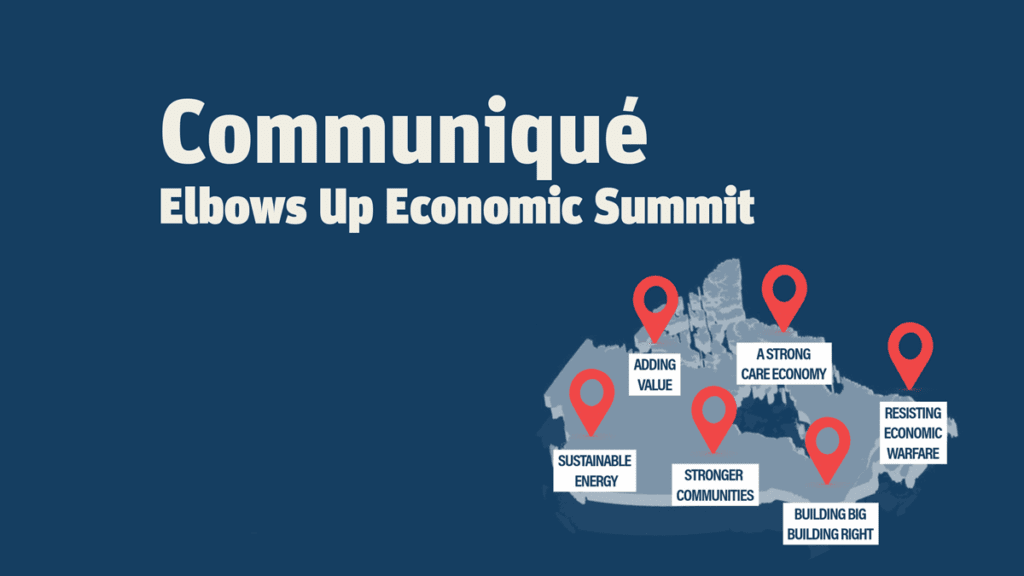
Building a Sovereign, Value-Added, and Sustainable Economy
U.S. President Donald Trump has confronted Canadians with unprecedented threats to our sovereignty and prosperity. From his inauguration speech, when he resuscitated the imperial doctrine…
-
Our Schools/Our Selves, Summer/Fall 2025
A snapshot of how the “parental rights” movement is unfolding across provincial and national borders
-
Canada’s fight over digital sovereignty is just getting started
U.S. President Donald Trump and former Brazilian President Jair Bolsonaro are both infamous for their unfiltered and disinformation-laden use of social media. This routine spreading…
-
To stop Gaza genocide, Canada must escalate pressure on Israel
Canadian companies, with the approval of the Canadian government, are supplying military equipment for Israel’s genocide of Palestinians in Gaza.
-
A stiff price to pay: Predicting federal job losses due to Carney’s cuts
The newly elected federal government has promised major military spending increases and tax cuts. To pay for it, the government is seeking 15 per cent…
-
Fact sheet: The Golden Dome and Canada
The United States has proposed to develop the “Golden Dome,” the most ambitious missile defence system ever envisioned. The aim is to build a multi-layered…
-
Where will the federal government cut to pay for military spending and tax cuts?
Supports to First Nations, veterans, new Canadians, and international aid could be on the chopping block—just for starters
-
Climate policy at B.C.’s carbon crossroads: 10 steps for CleanBC renewal
The end of 2025 will mark a decade since the Paris Agreement on climate change was negotiated. This review of the CleanBC plan is occurring…
-

Canadian workers deserve better work-life balance
In the post-Covid world, workers face an ever more alienated and isolated environment.
-
Canada should build public cloud infrastructure rather than relying on U.S. tech giants
During the 2025 election campaign, prime minister Mark Carney made a striking admission about Canada’s dependence on U.S. tech companies. The Canadian government was in…
-

Why did Canada just cave to Trump by scrapping the Digital Services Tax?
A lot doesn’t sit right about the Carney government’s capitulation to U.S. president Trump on the stillborn Digital Services Tax (DST), which would have taxed…
-
Liberals will need to rethink their promised budget cuts
The Liberal campaign platform promised big public sector “productivity” savings, but if you compare it to federal data, a concerning picture emerges. Some key highlights:
-
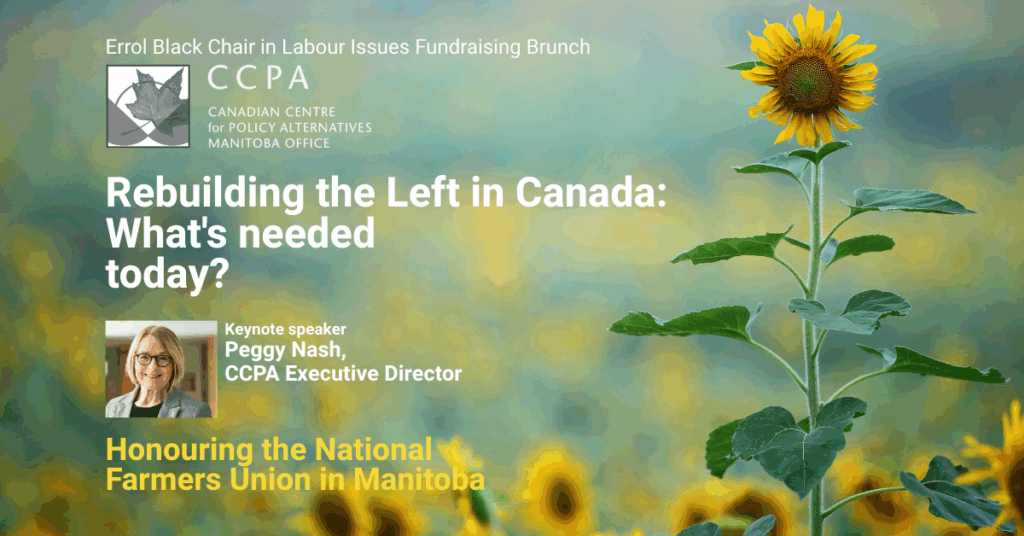
November 2 – Errol Black Chair Fundraising Brunch 2025
Keynote Speaker Peggy Nash, CCPA Executive Director Sunday November 2,
-
Youth unemployment is approaching a boiling point in Ontario
Canada is confronting a deepening youth employment emergency that policy-makers and political debates have largely overlooked, as a recent CCPA analysis highlighted.
-
Before the far right threatened democracy, neoliberalism stripped it down
Fears of the erosion of democracy pervade the headlines. The rise of authoritarian populists around the world, with Donald Trump being the most emblematic, has…
-
Let’s call Bill 5 what it is—a power grab
During Ontario’s February electoral campaign, Doug Ford capitalised on domestic and international stories which affectionately dubbed him “Captain Canada.” Donning a “Canada is Not for…
-
Ontario has underfunded schools by $6.3 billion since 2018
The 2025 Ontario budget has lots of big numbers, but fails to address funding shortfalls in core program areas. CCPA’s same-day budget analysis examined the…
-
Can the federal Build Canada Homes program finally crack the nut of housing affordability?
While housing took a backseat to the Trump trade war in the 2025 federal election, the Liberal platform included some important new plans to boost…
-

Don’t be fooled by big numbers—Ontario budget fails to address years-long funding shortfalls
A lot has happened since the last Ontario budget. U.S. President Donald Trump launched a trade war against Canada and the rest of the world.…
-
Do you trust AI to deliver your EI?
This week Prime Minister Mark Carney announced MP Evan Solomon as Canada’s first “minister for artificial intelligence (AI) and digital innovation.” There is no doubt…
-
No Time to Wait
In any public discussion of health care in Canada, the question of wait-times will inevitably come to the fore. For many, wait-times have come to…
-
2023 Living Wage for Regina and Saskatoon
The Saskatchewan Office of the Canadian Centre for Policy Alternatives’ living wage calculation for Regina and Saskatoon is a little different from past years. That’s…
-
CCPA-MB Budget Submission February 26, 2024
Honourable Minister of Finance, government officials, delegates and participants, I am pleased to present the Canadian Centre for Policy Alternatives Manitoba budget submission.
-

-
Fast Facts: Change Starts Here
One of the Canadian Centre for Policy Alternative Mb.’s most rewarding projects is putting together alternative municipal and provincial budgets. This year, community and academic…
-

Change Starts Here
The Canadian Centre for Policy Alternatives – Manitoba office launched its Alternative Provincial Budget (APB) which proposes a number of strategic investments the Government of…
-

Imagine a Winnipeg…
Alternative Municipal Budget 2018 Download 11.37 MB100 pages Imagine a Winnipeg… Alternative Municipal Budget, Winnipeg 2018 is a community effort that dares to imagine a…
-

Taking Back the City
2014 is an election year in Winnipeg and this Alternative Municipal Budget is meant to stimulate discussion around some of the important concerns facing our…
-
20/20: A Clear Vision for Winnipeg
The Canadian Centre for Policy Alternatives–Manitoba is pleased to present its 2010 Alternative Municipal Budget titled 20/20: A Clear Vision for Winnipeg. This budget shows…
-
Winnipeg Alternative Municipal budget 2009
The Canadian Centre for Policy Alternatives-Manitoba Alternative Municipal Budget demonstrates that it is possible to craft a City of Winnipeg operating budget that puts community…
-

2006 Manitoba Alternative Budget
Despite the generally positive indicators coming out of Manitoba’s economy, there are dark clouds looming on our horizon that cannot be ignored. The growing gap…
-
-
Bill C-30: Privatizing airports and letting oil companies profit off the Iran war
Remarks by David Macdonald to the Senate Finance Committee
-
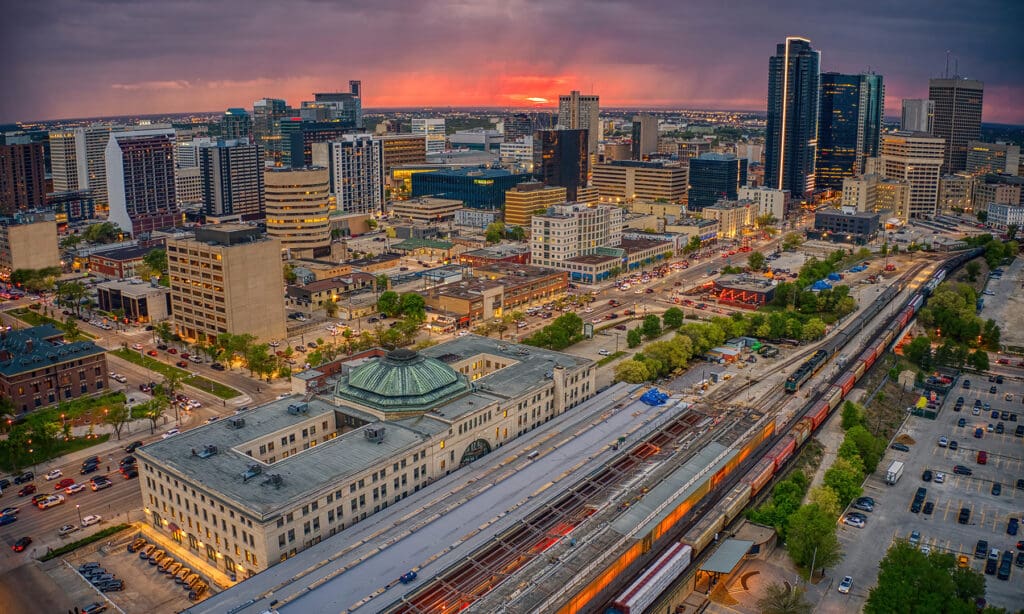
Winnipeg can (and should) buy local
When our public entities buy local, they create jobs, provide economic stability and improve responsiveness to the public. In this uncertain global climate, “buying local”…
-
Why is the BC government targeting Victoria’s elected school board?
Democracy, waste, and the anatomy of a completely preventable fiasco
























































































































































Updates from the CCPA
Read the latest research, analysis and commentary on issues that matter to you.
CCPA Updates