
The initial tranche of nation-building projects selected by the Carney government is as disappointing as it is predictable—but it is a failure more for what it leaves out than what it includes.
The list, announced yesterday, includes a liquified natural gas (LNG) facility in BC, a new nuclear reactor in Ontario, a port in Quebec and mines in BC and Saskatchewan.
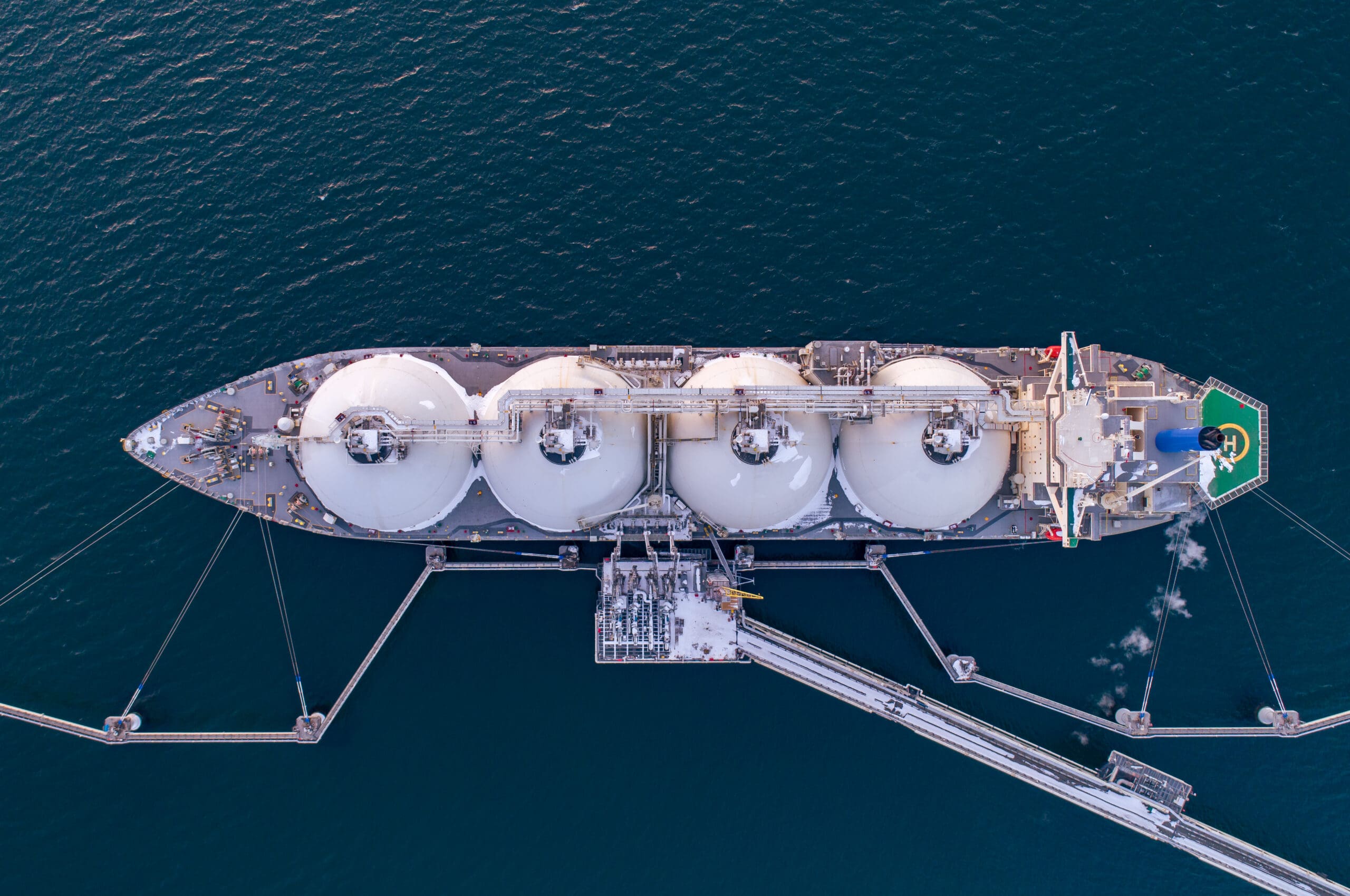
Phase two of LNG Canada, which would double the capacity of the gas export terminal in Kitimat, BC, stands out for its fundamental incompatibility with a global clean economy. New public support for the project would be a direct fossil fuel subsidy, something the government once promised to phase out by the end of 2025. Climate impacts aside, the project is at great risk of becoming an expensive stranded asset if global LNG prices fall, as they are expected to in the next decade.
The other projects are more of a mixed bag. Ports and mines do have a role to play in our future economy, but these particular projects are hardly transformative. Building small modular reactors (SMRs) at Darlington is more ambitious, and these experimental facilities may ultimately produce zero-carbon electricity for the grid. But the $21 billion price tag is a concern when we could be producing far more clean electricity (and sooner) using proven renewables—and without the downside risks of nuclear waste or inevitable cost overruns.
Ironically, yesterday’s announcement likely means little in practice, since all five projects were already operational or in development. No new subsidies were announced at this stage either, so it is unclear what federal “support” for these projects actually means beyond accelerated rubber stamping. If there is public money on the table, we likely won’t get more details until the federal budget.
Publicly backing existing projects without spending any new money is low-hanging fruit for a federal government trying to assert its infrastructure bona fides.
These projects do matter—the expansion of LNG Canada is especially consequential from a climate perspective—but the real story here is less about the particulars and more about the economic vision that they represent.
We are in a “moment of transformative change,” as the prime minister puts it. A moment, one imagines, that would require a different approach to economic development than our historical reliance on raw resource extraction. As producers and exporters of largely unprocessed materials, especially oil and gas, Canada has, for a century, exacerbated global environmental crises while entrenching our dependence on foreign, especially American, value-added industries.
Building major infrastructure projects to advance an alternative economic mission is what we call industrial strategy. It’s something that all successful economies do, and it is desperately needed at this moment. Building projects for the sake of building projects, on the other hand, is a wasteful trap.
The clearest indication that the Carney approach falls into the latter camp is the private-sector-led mandate of the Major Projects Office (MPO). Rather than the government identifying which projects are necessary for advancing the national interest and then taking a leadership role to ensure those projects get built—that would be an industrial strategy—the MPO merely invites proponents, mostly from the private sector, to bring their own projects forward, which the government may then fast-track for approval.
What happens if there are projects of vital national importance, such as interprovincial electricity transmission or value-added manufacturing, that have no private sector backers? What happens if, instead, the only projects brought forward seek to double down on the very industries that created our present economic vulnerabilities?
Well, you get a list a lot like the one we saw yesterday.
It’s not too late for Carney’s major projects push to make a positive difference. Additional projects will be announced in the coming months and years, and more visionary projects are under consideration, including wind power and high-speed rail. But pulling it off will require more courage and clarity from the federal government. It will require a clearly articulated economic vision and a willingness to get the public involved through direct investments and hard regulations.
It will require an industrial strategy as transformative as the moment we are in.