
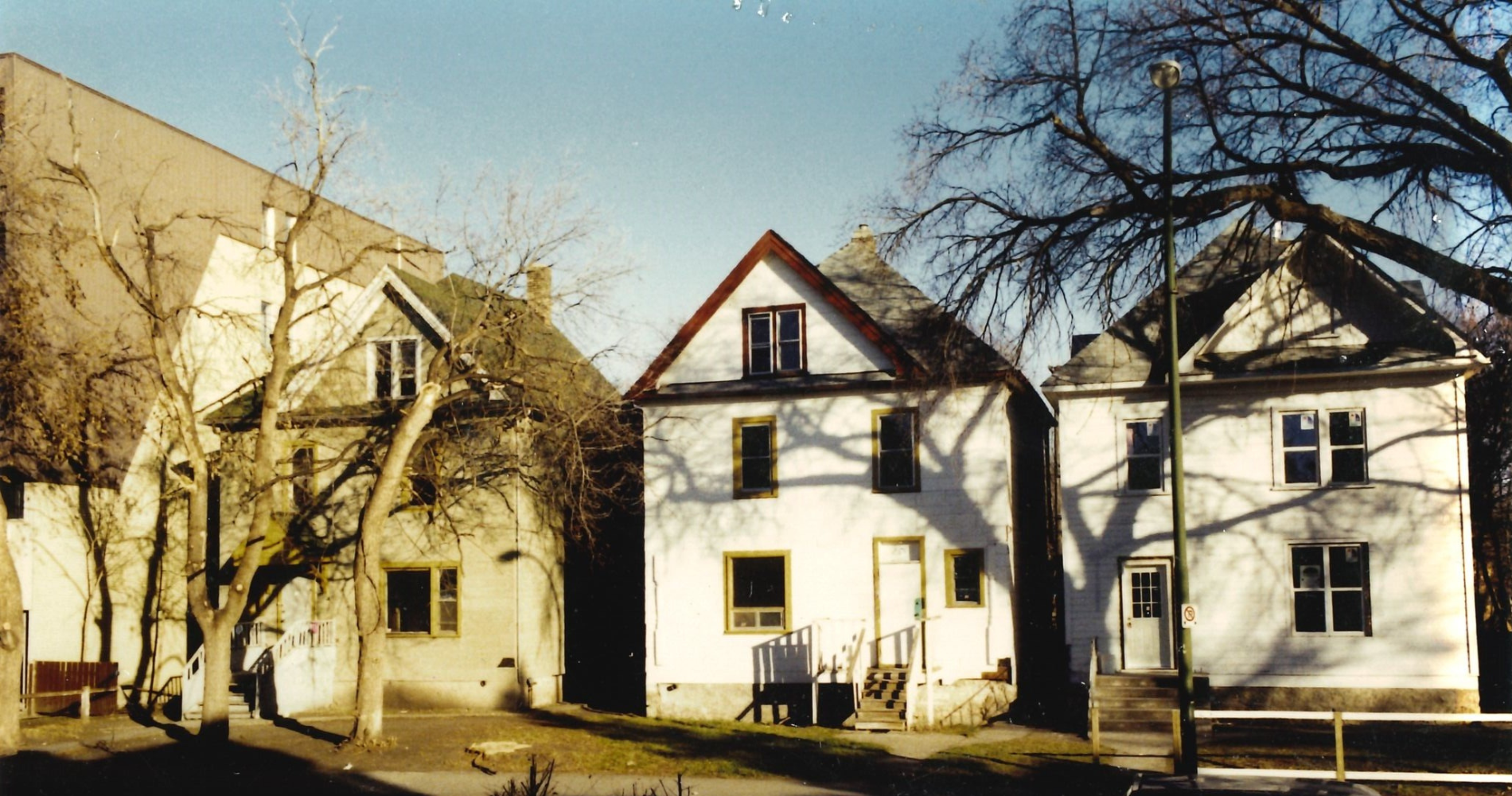
Community Land Trusts (CLTs) are gaining ground across Canada. Communities are turning to the CLT model to protect affordable housing and community institutions against displacement by real estate speculation, and as they try to reclaim culturally-significant lands that have already faced waves of commodification and displacement. In Winnipeg, residents and allies of the West Broadway neighbourhood, a working class renter’s neighbourhood on the southwestern edge of the city’s downtown, are organizing to create a neighbourhood-based CLT to combat gentrification. But this is not the first time West Broadway has created a CLT for the same reason. 25 years earlier a similar effort resulted in the incorporation of the West Broadway Community Land Trust (WBCLT) to make homeownership affordable to low-income community members.
The original WBCLT renovated 17 properties over a few short years, and eight households succeeded in becoming homeowners. However, the WBCLT itself dissolved after eight years of operation and the vision of community-stewarded housing was lost. Nearly two decades following its dissolution, this research opened archives of the WBCLT and held interviews with many of those involved to trace the problems that led to its dissolution and to celebrate the victories of the ambitious effort.
The failure and dissolution of the WBCLT still carries painful memories for many of those involved, and many of those stories are missing from this research. But the stories of the remaining residents show where the land trust flourished and what might be accomplished again.