
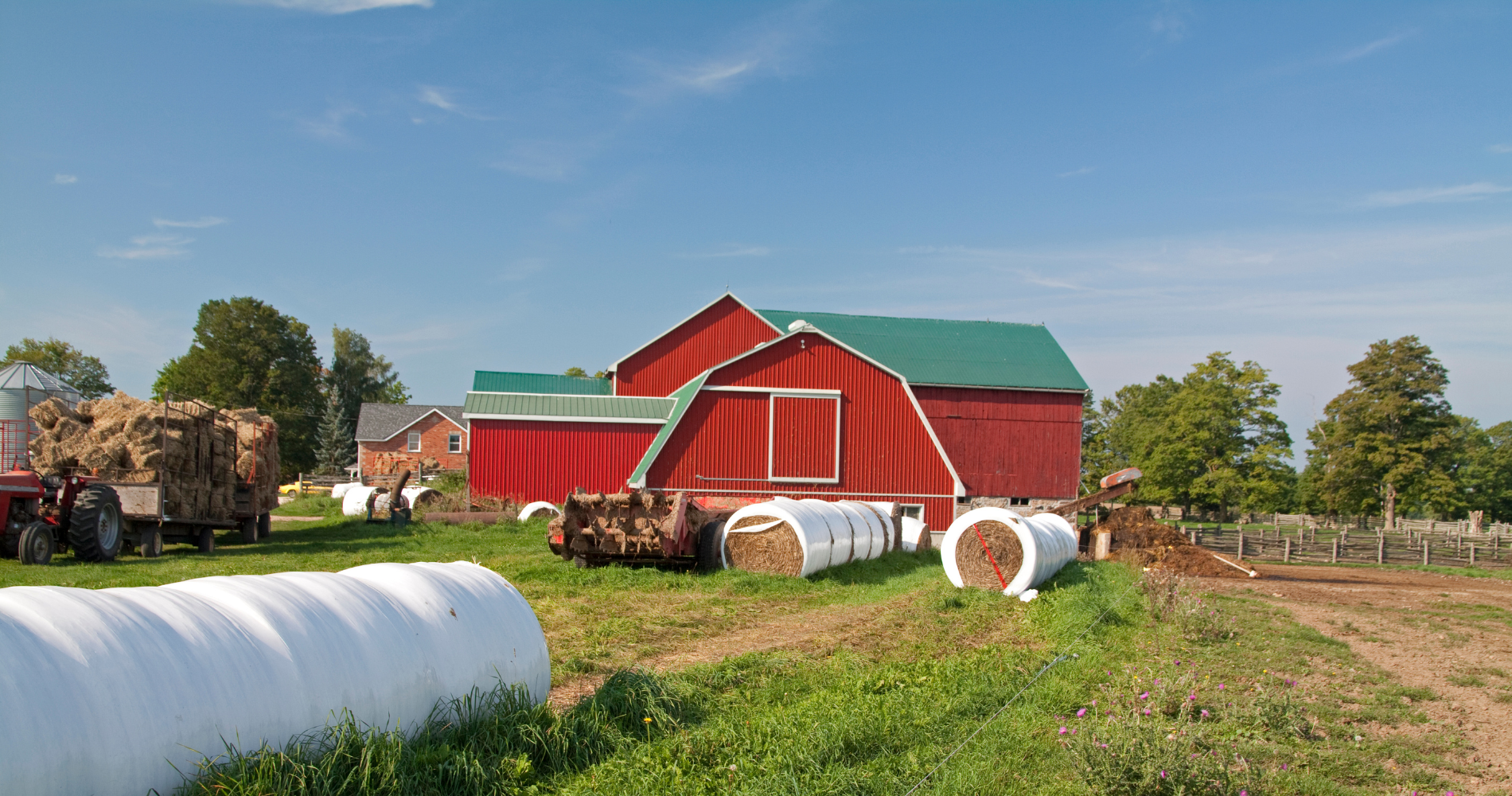
The National Farmers Union (NFU), Manitoba chapter, is being honoured this year at the 15th annual Errol Black Chair in Labour Issues fundraising brunch for being a voice for family-run farms, for rural economic development, for standing up to corporate interests and for a strong and healthy food system in Manitoba and Canada. Our province and democracy are stronger because of their tireless efforts.
The National Farmers Union, Manitoba Chapter is an incredible group of smart, resilient and persevering farmer activists who have been tireless advocates for family farms and rural communities in Manitoba for decades. They have led the struggle for farm workers to have good working conditions, a good wage and access to public services like schools and healthcare. As NFU Manitoba chapter co-coordinator Kate Story explained to me, they look at farming from a people’s perspective first.
The NFU grew out of provincially-based farm unions and a national council. It was founded at a convention of over 2,000 farmers in Winnipeg in July 1969, following demonstrations by farmers about low grain prices, low exports and attacks on the Canadian Wheat Board.
One of the biggest fights undertaken by the NFU Manitoba members was the struggle to save the Canadian Wheat Board, which was sold in 2015 to G3 Global Grain Group, a joint venture between a US and Saudi Arabian company. The NFU’s Terry Boehm called the sale of the publicly-owned crown corporation a “malicious act driven by wrong-headed doctrine, which eliminated the CWB through the Orwellian-titled Marketing Freedom for Farmers Act.”
The CWB was a world-renowned agency that reliably supplied top-quality western Canadian wheat and barley to customers within Canada and around the world. It achieved a premium price for farmers through its single desk selling powers.
Almost 100 years ago, farmers lobbied for wheat pools and the wheat board because they understood that grain companies and railways had the power to set prices and control the transportation of grain; therefore, they needed to work together to exert their economic power to extract a fair share of returns for their products.
The NFU started to win the battle to save the Canadian Wheat Board during the minority government years of the Harper government, but as NFU member Fred Tait explains in the book “Frontline Farmers”, once Harper gained a majority government, the fight was lost, and the government pushed through on their agenda.
The Harper Conservative government’s dismantling of the Wheat Board is a case study of ideology over evidence, of a dismantling of a public crown by stripping the farmer-elected members of the board of directors.
As a result, Canadian farmers lost more than $6.5 billion in sales and pricing of grain between 2013-2015, according to a University of Saskatchewan agricultural economist, Rich Gray. Here in Western Manitoba, Farmers in Swan Valley lost $50 million in one year due to lower prices per bushel after the CWB was sold.
The NFU Manitoba has also been at the heart of struggles to protect common cattle grazing land in Manitoba as well.
In 2018, Manitoba’s provincial Conservative government changed the agricultural Crown lands policy and the Community Pastures Program. This 80-year-old agricultural program had been called “Canada’s greatest success story.” It gave farmers and ranchers access to valuable public crown land, which benefited from the cattle’s natural grazing behaviour. These prairie grasslands are listed by the World Commission on Protected Areas and are as rare and ecologically important as coastal old-growth forests.
Now leases transfer to the highest bidder, and the bidding is open to out-of-province parties. The NFU Manitoba spoke out strongly against this, and it was the reason Lynne Fernandez of CCPA Manitoba, who previously held the Errol Black Chair in Labour Issues, wrote and spoke on this important local issue.
These are just two examples of the work of the NFU Manitoba Chapter. They have viable plans for local economic development in the face of the trade wars with the U.S., to support the local food system here in Manitoba. They simply ask for a voice at the table with the provincial government, on par with the corporate-farm-dominated Keystone Agricultural Producers.
As Manitobans, we owe a debt of gratitude to the National Farmers Union Manitoba chapter as a tireless voice for family farms in Manitoba that benefits us all. We need the voice of the NFU in our democracy. They are leading by example to bridge the divides between rural and urban people, between people who eat the food and those who grow it, and between workers in all sectors in the struggle against the far-right and fascism.