


Share
Thirty years ago Norway created a Sovereign Wealth Fund to plough the money from their oil industry into a fund for the future benefit of Norwegians. This fund now has $2.2T US, the largest such fund in the world, with the equivalent of over $300,000US for each Norwegian.
Canada did not similarly manage its petro wealth. Our federal structure means that provinces control their resources, so provinces have created their own fund, which they mostly use to lower taxes and reduce deficits. In contrast, the federal government subsidizes the oil and gas sector with direct funding, tax breaks and financing to the tune of tens of billions of dollars.
The federal government announced last week the intent to create what they call a Sovereign Wealth Fund, but rather than use the publicly owned profits from our oil and gas industry, they want to create the fund with debt financed by Canadians to build infrastructure like oil and gas pipelines that will improve the bottom line of private companies.
Where will the debt to finance the fund come from? Well, the federal government put in an initial $25 billion, but if you have some extra money sitting around, you can ‘invest’ in the fund. If the fund doesn’t make money then, no doubt, the government will cover your losses.
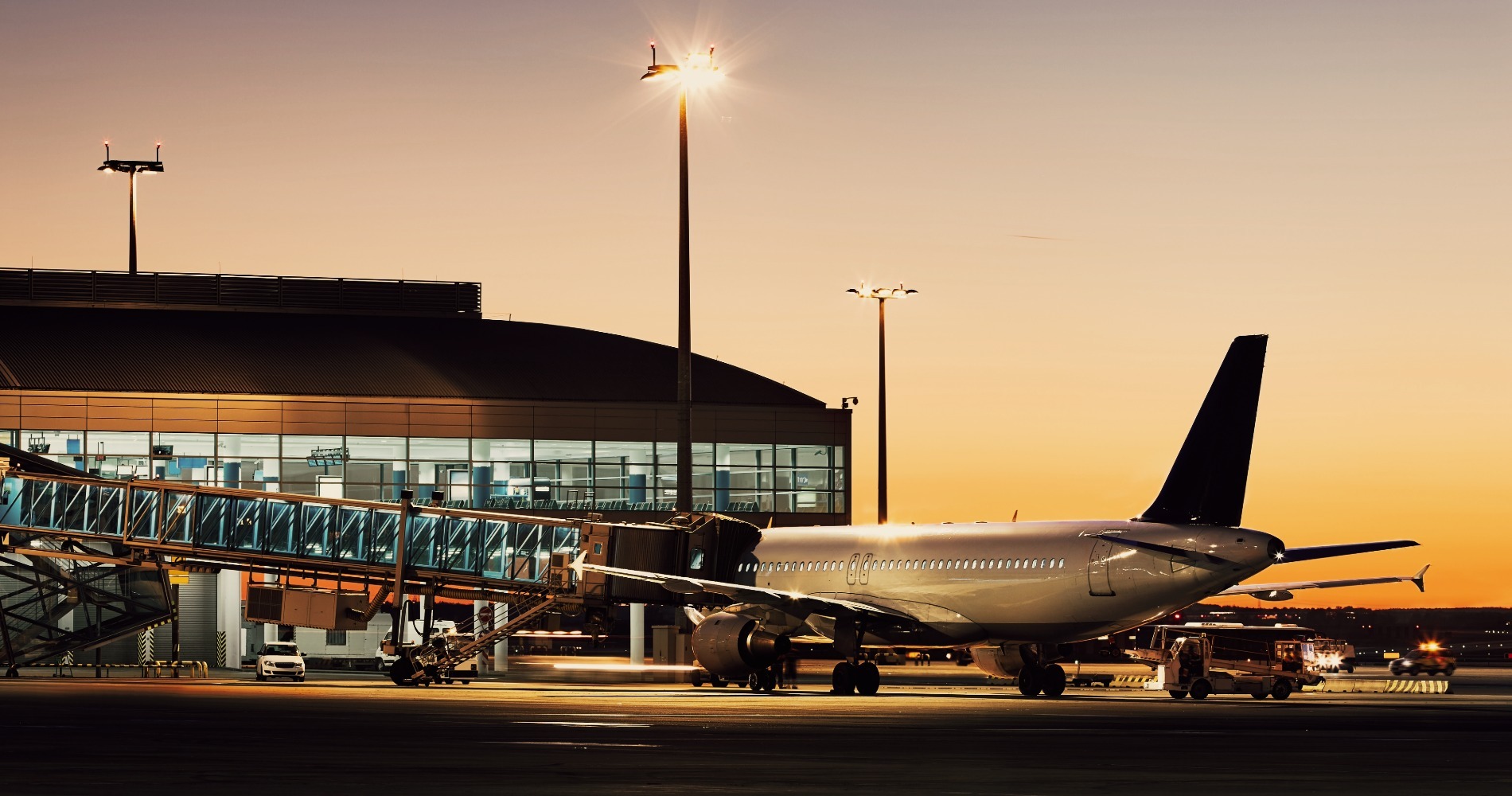
Another idea floated by the federal government last week is to use what we already own as Canadians, namely our airports, and turn these over to private investors.
Canadians, through Transport Canada, currently own 26 airports, most of which are managed by private not-for-profit local airport authorities. They operate airports from Iqaluit to Gander, including Vancouver, Toronto, Montreal and Halifax. Canada wouldn’t be the first country to completely privatize its airports. That was the UK back in 1987. They definitely made profits for investors, but it meant higher prices for travellers, because private airports are more expensive. And in some countries, private airports have meant poorer working conditions and lower pay for the thousands of airport employees.
With investor schemes like subleases and subcontracts, each private company gets a slice of the pie, but workers find that employers’ contracts and collective agreements are cancelled as companies look for cheaper options. That usually means lower pay, often without union protection.
Airports look like a sure thing investment for financiers and a safe bet for governments looking to offload the costs of airport upgrades. But airports are an essential service, a requirement for travellers. They are not suited to the creation of a monopoly that has a captive audience and can charge what it wants.
But even these ‘sure thing’ investments can be problematic. During the COVID-19 epidemic, airport investors found that their investments were not without risk. As air travel tanked, so did profits.
The real risk of airport privatization, however, is for the public. The history of selling off public assets, from airports, to highways, to hydro, is that the sale price is too low. It’s a boon to investors. And the costs charged by these private entities can escalate with no public accountability. If a private company decided to reduce service or even close the airport in, say, Thunder Bay or Charlottetown, that would be a business decision without government control.
One example is the Ontario firesale of the publicly built highway 407. This was a badly needed commuter highway across the top of Toronto. A Spanish investment consortium bought the highway for a mere $3.1 billion in 1999 with a 99-year lease. Today, Ontarians pay about $2 billion a year in tolls. A sweet deal for the highway owners, and an infuriating loss for Ontarians. The non-tolled highway 401 is usually jammed bumper to bumper all day long while the 407 offers an easy driving experience—for a steep price.
A more recent example is the Metrolinx Crosstown Eglinton LRT. It was delayed by five years, was $1 billion over budget and is plagued with deficiencies and service delays.
Canada is not Norway, and we can’t pretend to build a sovereign wealth fund with debt. However, if we want to invest in infrastructure like upgrading airports or harbours, we get a better price as a sovereign country because of our government’s ability to tax. We could start with raising taxes on oil and gas companies and cutting their subsidies.
The government should not sell off our public assets to create monopolies so that investors can jack up prices and skim off profits. The lesson is that once we lose ownership over our common assets, the price is high for the public to use these assets, and, once we understand what we’ve lost, the price to regain what we’ve lost is usually too steep.
About the author
Peggy Nash
Peggy Nash is a former senior union negotiator, a former member of parliament, and is a senior advisor at Toronto Metropolitan University. Her book, Women Winning Office: An activist’s guide to getting elected, is available at Between the Lines.

