
Share
It seemed like Olivia Chow would be in a photo finish for the mayoralty race. A come-from-behind 40-year-old former city councillor, Brad Bradford, built centre right support to hotly contest the leadership of Toronto. The results were delayed due to lineups at polling stations, so Torontonians watched as some incumbent mayors in the GTA fell to challengers. Most notably in Mississauga, two incumbent mayors were defeated by city councillor Alvin Tedjo, and Hamilton mayor, former Ontario NDP leader Andrea Horwath, came third, as Hamilton elected Keanin Loomis, whom Horwath had narrowly defeated in 2022. Both these elections represented generational change.
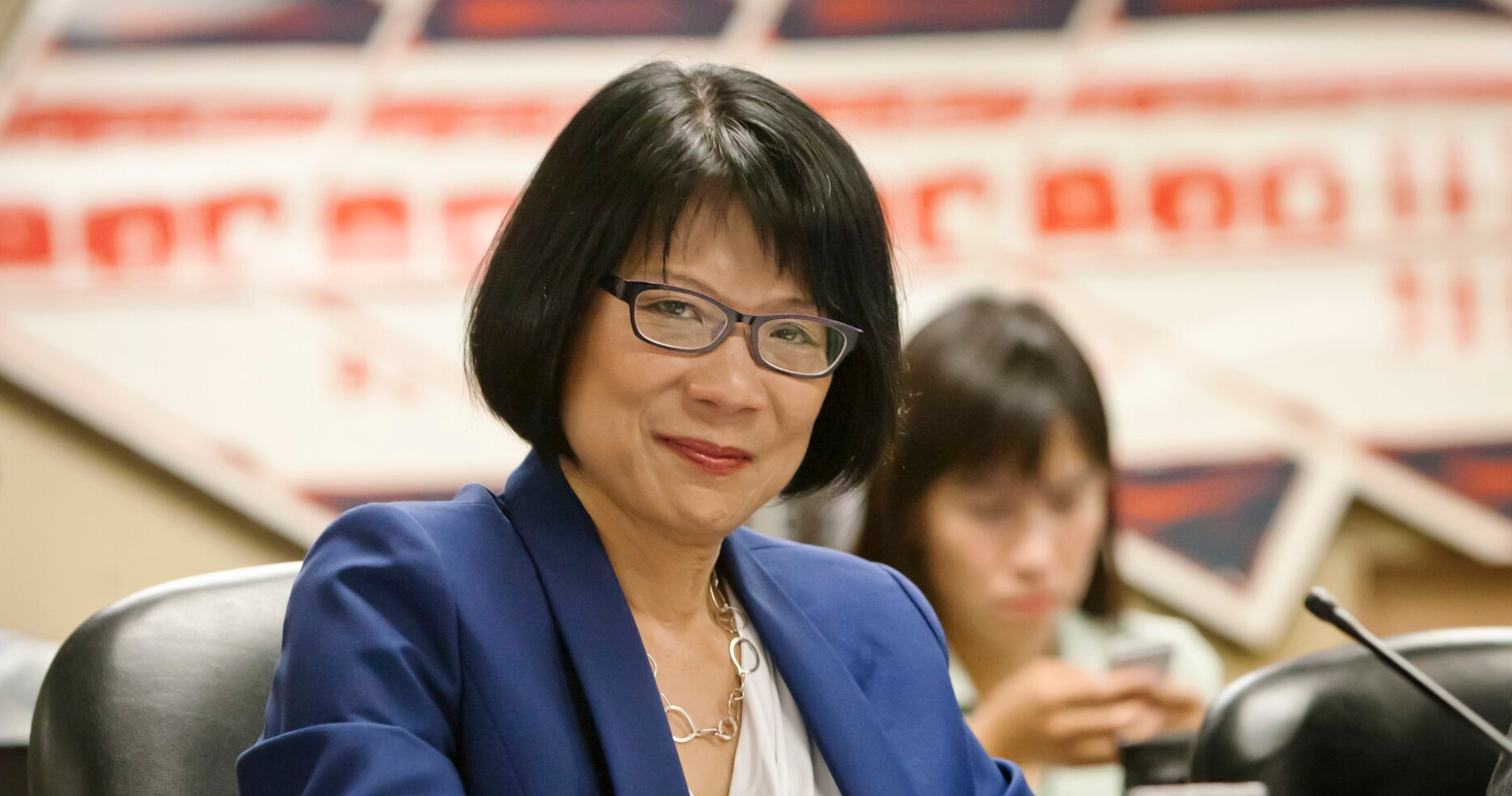
Not in Toronto. Ultimately it was the veteran politician Olivia Chow, former city councillor, former MP, wife of deceased NDP Leader Jack Layton, who won re-election as mayor. Her organizing chops seemed to win the day in the final stretch as her volunteers flooded the city to get out the vote. Her early lead seemed to evaporate into a neck and neck race, but she pulled away in the last week of the campaign, and won with 54 percent of the vote to Bradford’s 41 percent.
This was Bradford’s second run for mayor. In the 2023 by-election, caused by the resignation of former mayor John Tory, Bradford won only 1.29 percent of the vote and Chow sailed to victory. His campaign this time was more professional and effective. He organized campaign-style events long before the official start, he showcased his lovely young family and he went after Chow relentlessly. He focused on three key issues: congestion, cost of living and cleanliness of the city, criticizing the current city while pointing to a brighter day in the future under his leadership. His pitch was effective with many voters.
Practically, he was both for and against bike lanes, budget cuts and taxes. Like B.C. premier-elect Lorne Doerkson, he pledged to hire 1,000 more police. In a late campaign stumble, he pledged to turn Toronto’s water, by some accounts the best in the country, into a corporation in a bid to cut residential water bills and instead hold debt for new water infrastructure. Chow enlisted environmental icon David Suzuki to warn that this was a bad idea likely to lead to the privatization of the public water supply. Torontonians weren’t willing to risk their health to potentially save a few bucks in the short term.
Chow pledged a steady as she goes campaign, promising to continue her work and finish what she started. She promised to maintain a cap on transit fees, maintain extended library hours and ways to increase transit safety, brought in a school food program, and supported tenants by introducing a law to stop renovictions while increasing the number of rental building inspectors.
While Chow’s first four years in power saw more unhoused people move out of encampments and into shelters or housing, there remain people without care on the streets, some of whom require serious support for addiction and mental health issues—an issue that creates a sense of unease in the general public. While these are national issues that appear in cities large and small across Canada, they manifest at the municipal level—so local governments, the least well funded, end up trying to solve them. Supportive housing is the key, but Chow will need to convince other levels of government to assist with funding.
Progressives won all four open seats in Toronto. Community housing activist Diana Chan McNally, Chow’s son Mike Layton, former MP Nate Erskine-Smith, and school trustee Sara Ehrhardt all join council as expected allies of Chow.
In addition, for tenant activist Chiara Padovani, it was third time successful in York South-Weston, who defeated Frances Nunziata, the longest serving councillor. Padovani had lost in 2022 by just 94 votes. This time she won with 39 percent and Nunziata came third with 21 percent. Community worker Curran Stikus defeated sitting councillor Chris Moise.
Council is, of course, a mix of the political spectrum, with Chow’s support predominantly from the old city of Toronto, the waterfront and Scarborough. But Chow has shown herself adept at building bridges across differences, such as in a 2023 deal with Premier Doug Ford to transfer ownership of two highways to the provincial government in exchange for almost $2 billion for city priorities like housing, transit and infrastructure. She will no doubt forge alliances on council to get practical things done, like improving transit, reducing traffic congestion and building more affordable housing..
The limitations of municipal governments are quite strict—municipalities have severely limited powers compared to other levels of government. But even with those limitations, Chow can be boldly progressive in her second term. She has four years to show that she can leave a progressive legacy for the city.
Will she ban or put guardrails on data centres (she’s pledged a moratorium)? Will she take more housing out of the housing market with coops and not for profits? Will she navigate Trump’s trade war to expand manufacturing and create more jobs in Toronto? Will Torontonians be able to afford to enjoy the great things Toronto has to offer? With more working people squeezed out of the city, she can show them that governments matter, and that working together Torontonians can create a more liveable and affordable place to call home.
About the author
Peggy Nash
Peggy Nash is a former senior union negotiator, a former member of parliament, and is a senior advisor at Toronto Metropolitan University. Her book, Women Winning Office: An activist’s guide to getting elected, is available at Between the Lines.