
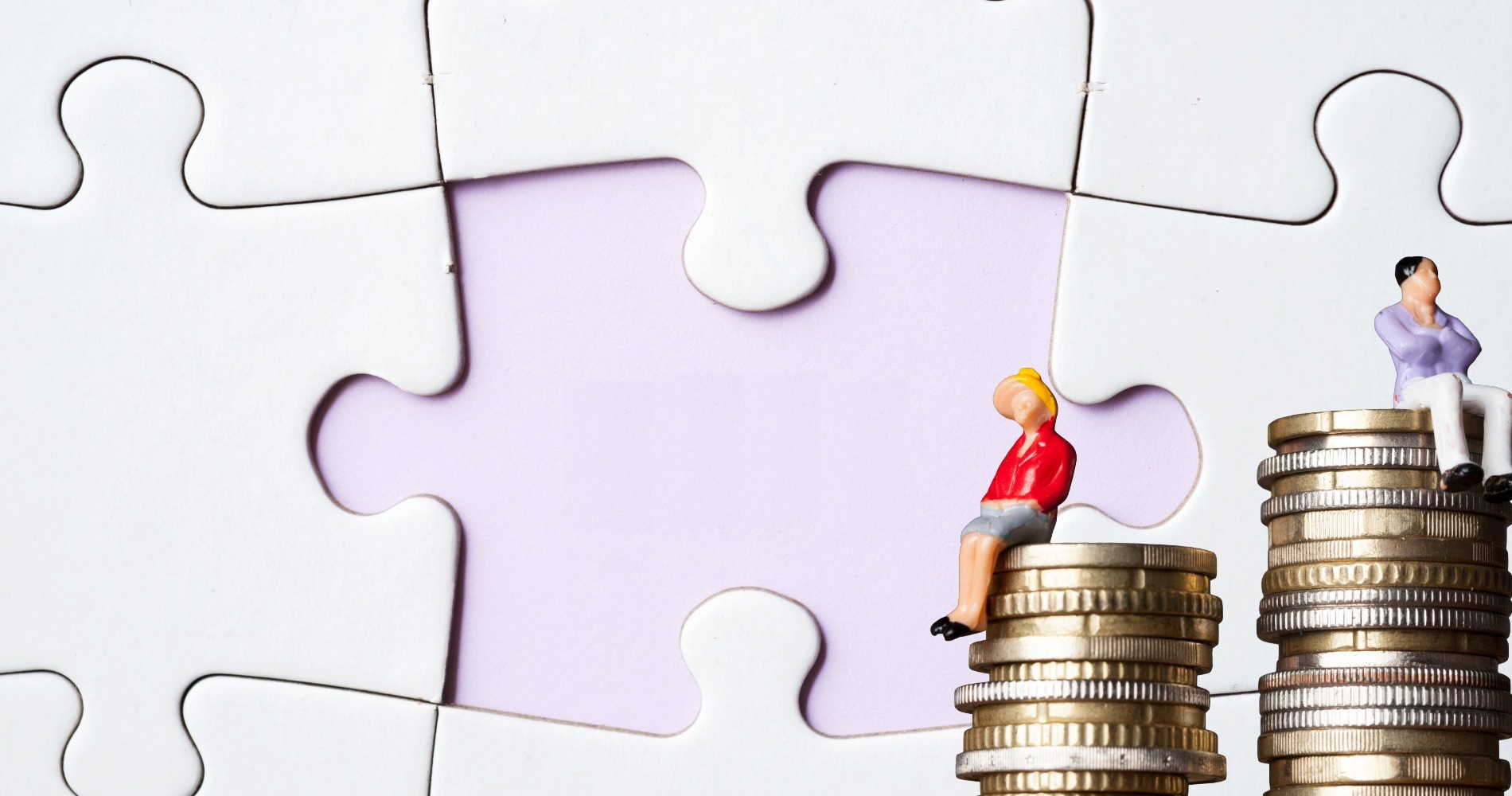
This week is Gender Equality Week, first introduced by the Liberal government in 2018 to celebrate women’s achievements and to encourage all governments to tackle the challenges and barriers holding women back.
Yet, it’s been radio silence from this Liberal government on issues of gender equality since the federal election in April. You might think that Canada had made significant progress in closing gender gaps in the labour market and beyond. One and done. And you would be wrong.
The government made some important moves over the past decade, introducing gender budgeting legislation and proactive pay equity and launching a national child care program and National Action Plan to End Gender-based Violence, for example. At the same time, these programs, as designed, did not deliver transformational change.
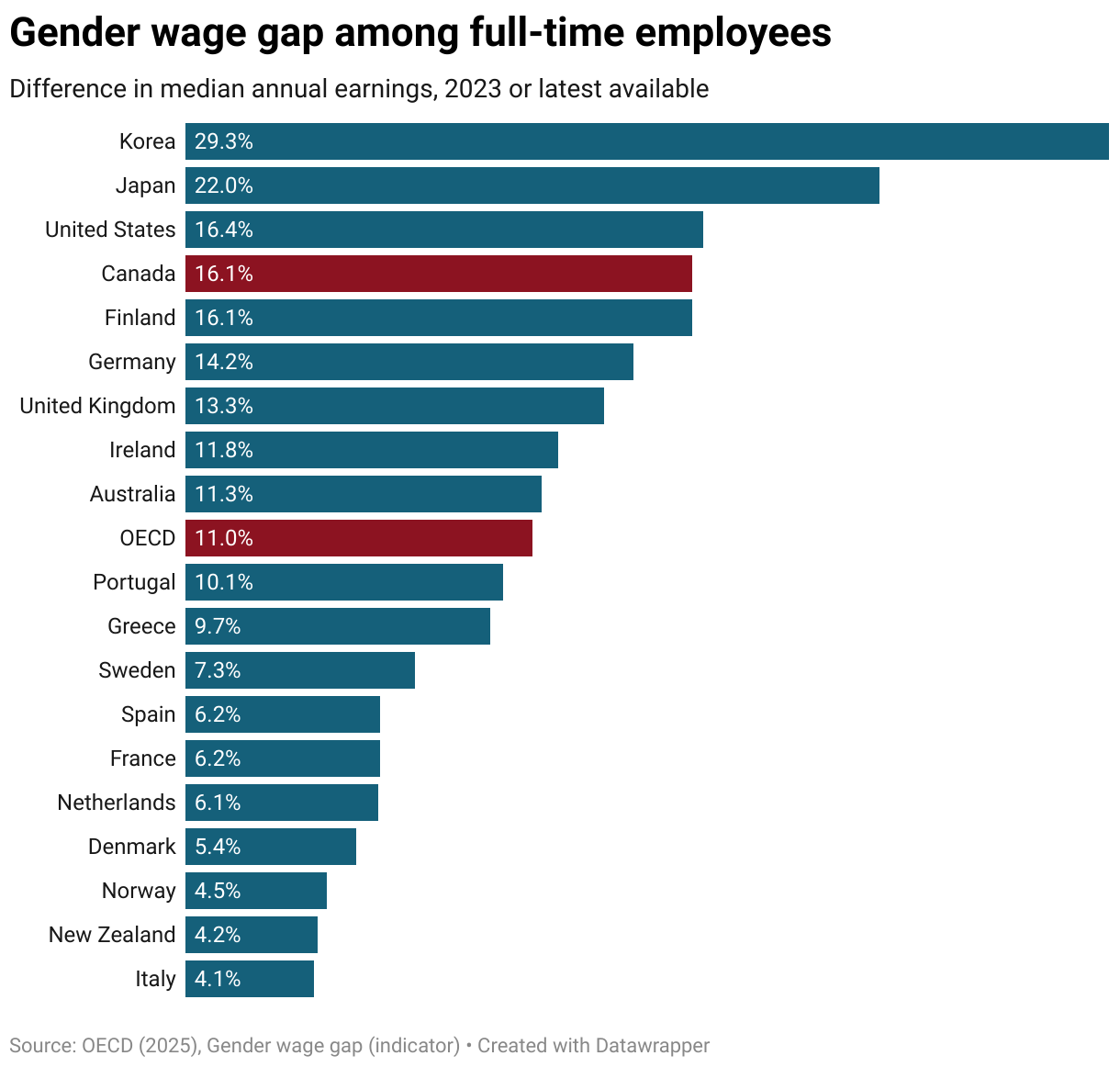
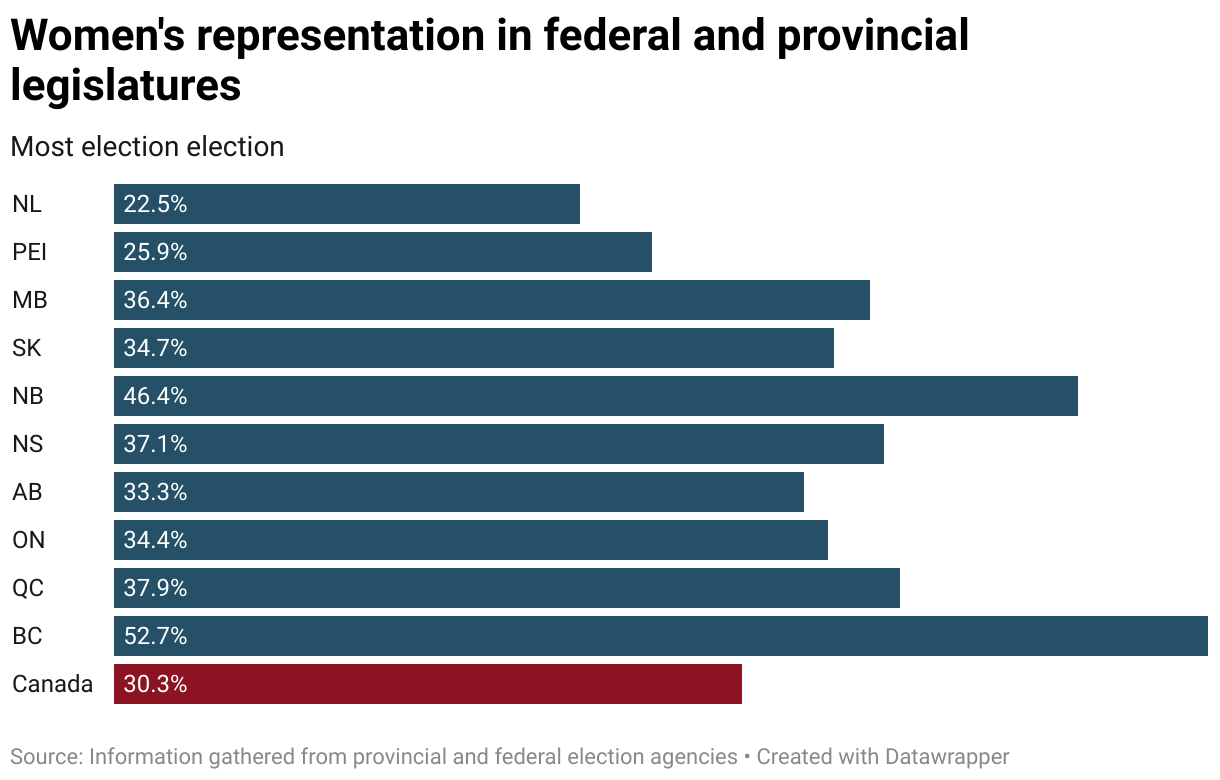
It’s still the case that Canada has one of the largest pay gaps in the OECD. Women in Canada working full-time earn 84 cents for every dollar men earn—and for Indigenous women, women with disabilities and racialized women, the gap is much larger still. Violent crime against women is higher today than it was before the pandemic.
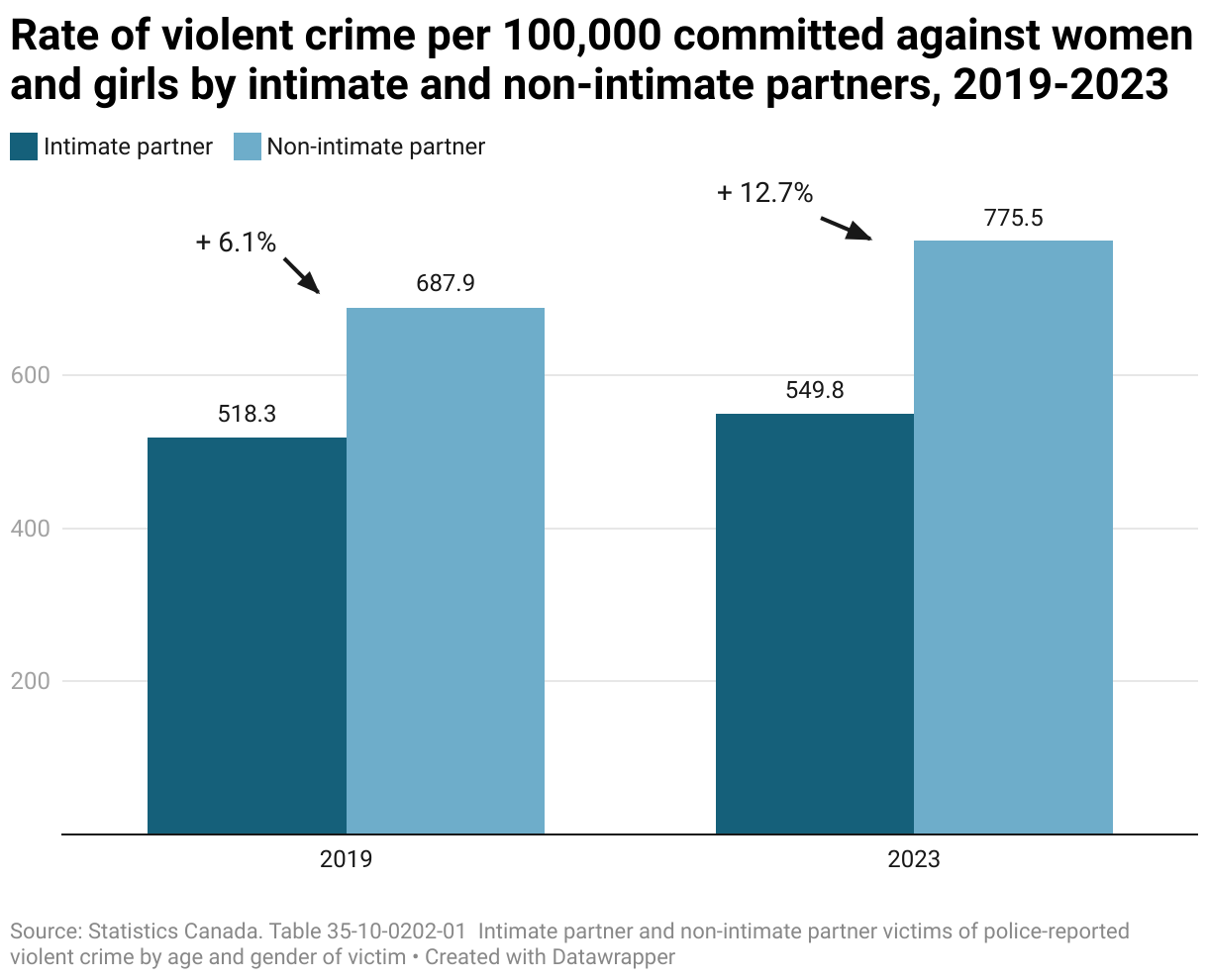
And the effort to break into leadership positions has stalled. Last spring’s federal election sent 104 women to parliament, a slightly smaller share of total MPs than in 2021—30.3 per cent vs 30.5 per cent—the first decline since 2004. This places Canada even further down the league table for representation of women in parliaments worldwide—in 73rd place—behind eight of 10 provincial legislatures.
Findings from the 2024 SDG Gender Index reveal that Canada is not on track to achieve gender equality by 2030. Canada currently ranks 15th out of 45 countries in Europe and North America and 18th among the 139 countries studied.
All of which to say, the lack of focus on key issues affecting gender equality and impacting women—such as child care, precarious housing, fair wages, and gender-based violence is a big problem, especially so in the context of a global backlash against women’s rights and the 2SLGBTQI community.
The far right and their conservative allies have weaponized women’s rights and gender equality, and their attack on “woke ideology” is a Trojan horse for regressive policies of all kinds. Our response cannot be silence.
The Carney government appears to be taking the position that gender equality and human rights are “nice to haves” and not foundational to a strong economy. Potential cuts of up to 80 per cent at Women and Gender Equality Canada is certainly evidence of this, a much larger cut than the 15 per cent identified in Finance Minister’s Champagne “Comprehensive Expenditure Review.”
The larger expenditure review exercise itself will negatively impact women as well as federal spending on critical social programs is sacrificed to fund a larger military, and public sector jobs—a traditional source of good employment for women—are eliminated. My colleague David Macdonald estimates that FTE losses could ramp up to a cumulative total of over 57,000 between 2024 and 2028.
Pre-election, the Liberals promised to “never” compromise women’s rights in Canada. “We will protect these rights, and fight for true equity for women—in health, in the workplace, and in their access to fundamental rights.” Now the government is contemplating cuts so deep that they will exceed those that laid waste to the women’s sector during the Harper years.
The upcoming federal budget may yet include investments to strengthen vital supports for Canadians and civil society. As we mark Gender Equality Week, it’s time to push back against the silencing women’s voices and concerns in government. And to make the case that gender equality is essential to a just and prosperous future for us all.