
Share
Critical Mass: A primer for social change
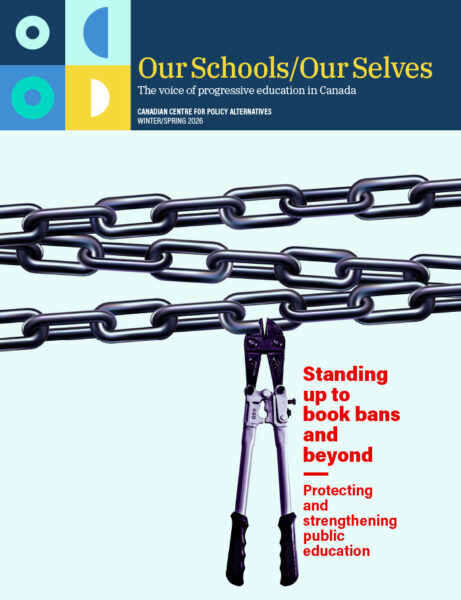
What do progressive people do when they realize that there are victories we can no longer take for granted, particularly when we see some of those hard-fought victories being eroded? What do we do when we realize that what we’re doing now — what we did in the past — to secure victories and move a progressive agenda forward may no longer be enough (if it ever was)?
The theme of this issue of Our Schools/Our Selves — “Critical Mass: A primer for social change” tries to get at a few key questions: given social media, generational shifts, identity politics, financial challenges and an increasingly organized and well- funded conservative opposition, do we need to change how we “do” activism? Who are our teachers now — and who will they be in the next few decades? What can we learn from those breaking new ground? And how do we build a movement that will continue to further our social justice goals, ensuring our continued progress towards a more just and equitable society for all of us?
Attachments
About the author
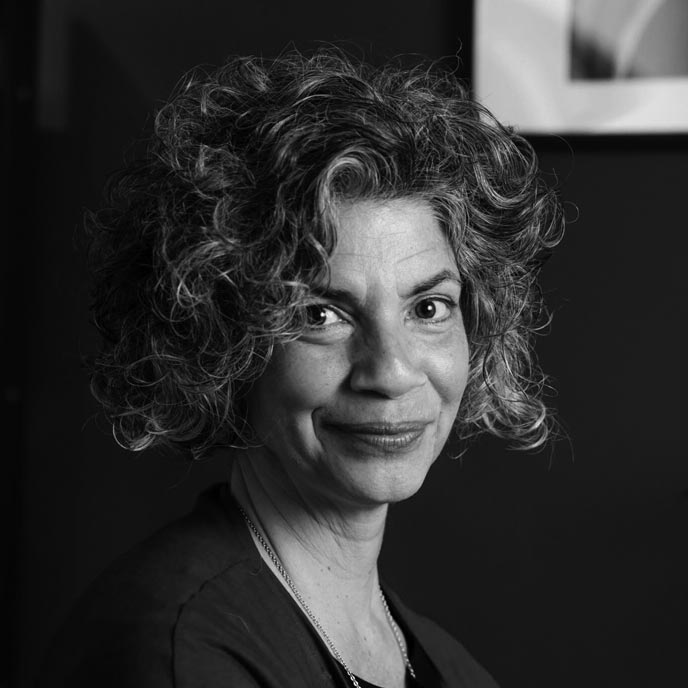
Erika Shaker
Erika (she/her) became Director of the National Office in 2020, but began her career at the CCPA in 1997 as director of the Education Project. Originally established to monitor corporate intrusion in public education, the project broadened its focus to include standardized testing, social justice and anti-racism education in schools, educational equity, school finance, child care and early childhood education, tuition and user fees, technology, surveillance and privacy, the arts, and community-based education. In 2000 she also became editor of Our Schools/Our Selves, the popular education journal founded in 1988. It provides commentary and analysis on a wide variety of education-related topics. Erika has a BA in History from McGill University and an MA in English (critical literary analysis) from the University of Guelph. Prior to coming to the CCPA, she worked in Washington DC researching the corporatization of childhood, and was one of the founders of UNPLUG (which became the now-defunct Center for Commercial-Free Public Education). She spends far too much time on social media.