

- Home
- Topics
- Regions
- Magazines
-
-
-
The Monitor
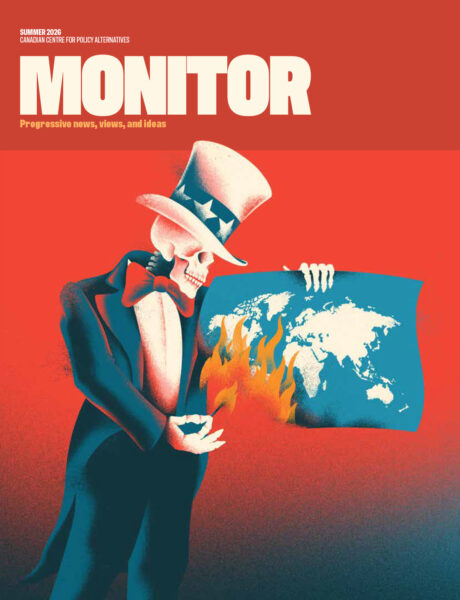
While world leaders are increasingly saying out loud that the postwar liberal world order is dead, the ruling classes in the Global North have an answer for what will come to replace it: fascism. Will they be able to implement their vision?
-
-
-
-
Our Schools/Our Selves
A guide to standing up to book bans and beyond, and how to protect and strengthen public education in Canada
-
-
-
-
- Media Inquiries
- Subscribe
- Legacy Gifts
- About
- Contact
- Donate Now
- Donate Now

Search results for “site/human rights”
-

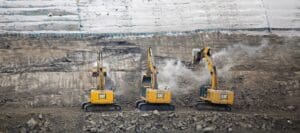
Site C’s radical makeover: What the ‘L’ is going on at problem-plagued dam construction project where costs keep piling up and completion remains years away?
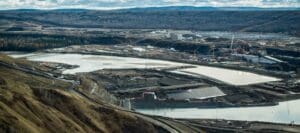
BC Hydro knew 30 years before it started building the Site C dam that its chosen location for the most expensive publicly funded infrastructure project in British Columbia’s history had big problems. In fact, by the 1980s, BC Hydro had done tests showing that the ground at Site C had…
-
Who’s minding the shop at Site C?
Appointment of engineer with long-term ties to BC Hydro to be government’s “independent” advisor on dam’s construction raises vexing questions In 2011, his last year as a salaried employee at BC Hydro, Tim Little earned just under $210,000 as the Crown corporation’s chief engineer. The next year, after decades of…
-
BC Hydro Dam site gallery (2019) slide 10/150.” style=”border-radius:0px;–objectFit:cover;–imagePosX:50%;–imagePosY:50%” decoding=”async” srcset=”https://www.policyalternatives.ca/wp-content/uploads/2025/04/pn_august2020_site-c-tunnel-300×133.jpg 300w, https://www.policyalternatives.ca/wp-content/uploads/2025/04/pn_august2020_site-c-tunnel-768×341.jpg 768w, https://www.policyalternatives.ca/wp-content/uploads/2025/04/pn_august2020_site-c-tunnel.jpg 900w” sizes=”(max-width: 300px) 100vw, 300px” />
A Big Fracking Mess: As Site C dam construction bogs down in geotechnical problems, thousands of earthquakes triggered by fracking operations occur nearby
Earthquakes triggered by natural gas industry fracking operations near BC Hydro’s troubled Site C dam construction project are far greater in number than previously thought, raising troubling questions about whether they are adding to the already formidable geotechnical challenges at the site. Not only are more earthquakes occurring in proximity…
-

Fighting on all fronts
The pandemic has exacerbated the existing crisis that migrants live in as a result of being denied basic rights and protections.
The pandemic has exacerbated the existing crisis that migrants live in as a result of being denied basic rights and protections.
-
Lifting the Bottom, Building a Fair Economy for All Workers in Nova Scotia
The Nova Scotia government has announced that employers will have to pay minimum wage workers 50 cents more per hour in 2026, with a 25-cent increase effective April 1 and another 25-cent increase in October. The government is following the legislated requirement and recommendation of the Minimum Wage Review Committee…
-

Anthony Morgan
Anthony is a racial justice analyst with an expertise in addressing anti-Black racism. He is also a lawyer that has appeared at various levels of court, including the Supreme Court of Canada, and has represented the interests of African Canadians before the United Nations. Anthony’s column, Colour-Coded Justice, appears regularly…
-

Jason Demers
PhD (University of Toronto), Research Interests: Prison policy; Race and incarceration; Incarceration and human rights; Prison privatization; Prison writing; Cultural representations of incarceration; Literature and social justice.
-

A history of the “parental rights movement(s)”
A backgrounder on history of the movement that right-wingers are championing to influence education policy and beyond
The practice of raising and educating children, at a moment of seismic social, economic, and political change, has been elevated to new levels of public scrutiny. Political pundits, media personalities, op-ed columnists, school boards, parent-interest groups, and even legislatures have been consumed by debates that (on the surface) concern best…
-
Reconciliation in action?
Far from it, says chief of holdout First Nation over deal with province on Site C In 2015, the Truth and Reconciliation Commission, which was tasked with informing all Canadians about what happened to Indigenous Peoples in residential schools, defined the word reconciliation as a process of “establishing and maintaining…
-
“Alberta Next”, migrants’ rights come last
The “Alberta Next” initiative, led by Premier Danielle Smith, represents a significant push toward greater provincial autonomy within Canada. Through town halls and surveys conducted throughout the province from July to the end of September, this project sought public input on crucial policy areas—including immigration and pensions—while asserting Alberta’s constitutional…
-
Oleksandra Klestova / Shutterstock” style=”border-radius:0px;–objectFit:cover;–imagePosX:50%;–imagePosY:50%” decoding=”async” srcset=”https://www.policyalternatives.ca/wp-content/uploads/2025/04/pn_feb2023_democratize-300×133.jpg 300w, https://www.policyalternatives.ca/wp-content/uploads/2025/04/pn_feb2023_democratize-768×341.jpg 768w, https://www.policyalternatives.ca/wp-content/uploads/2025/04/pn_feb2023_democratize.jpg 900w” sizes=”(max-width: 300px) 100vw, 300px” />
To break housing gridlock, we need to democratize unrepresentative public hearings
Housing policy has a democracy problem. Amid a housing crisis, highly unrepresentative public hearing processes contribute to land-use decisions that fail to reflect the perspectives and interests of all affected residents. But the right reforms can help deepen democracy and break housing gridlock. At the municipal level, decisions about providing…
-

Canada’s proposed supply chain law is weak on human and environmental rights
The business community needs to get behind a stronger supply chain due diligence law
The business community needs to get behind a stronger supply chain due diligence law
 BC Hydro Dam site gallery (2019) slide 10/150




 Oleksandra Klestova