
A time of monsters
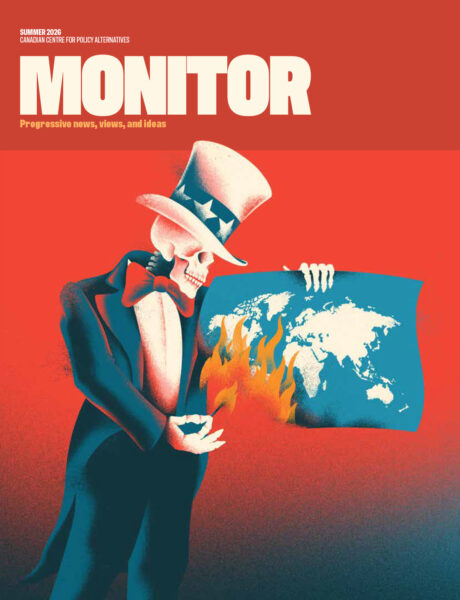
Over the last year, we’ve seen a number of world leaders proclaim the death of the liberal world order. From Mark Carney’s eulogizing liberalism as if it were a lost friend in Davos, to Marco Rubio’s triumphalist proclamation of the return of “western” (i.e. white) imperialism in Munich, world leaders are increasingly saying out loud that the postwar liberal world order is dead. As it stands, the ruling classes in the Global North have an answer for what will come to replace it: fascism. Will they be able to implement their vision?
Check out some of the articles in this edition of the Monitor:
Editorial: A time of monsters by Jon Milton
Panama, Alberta by Jon Milton
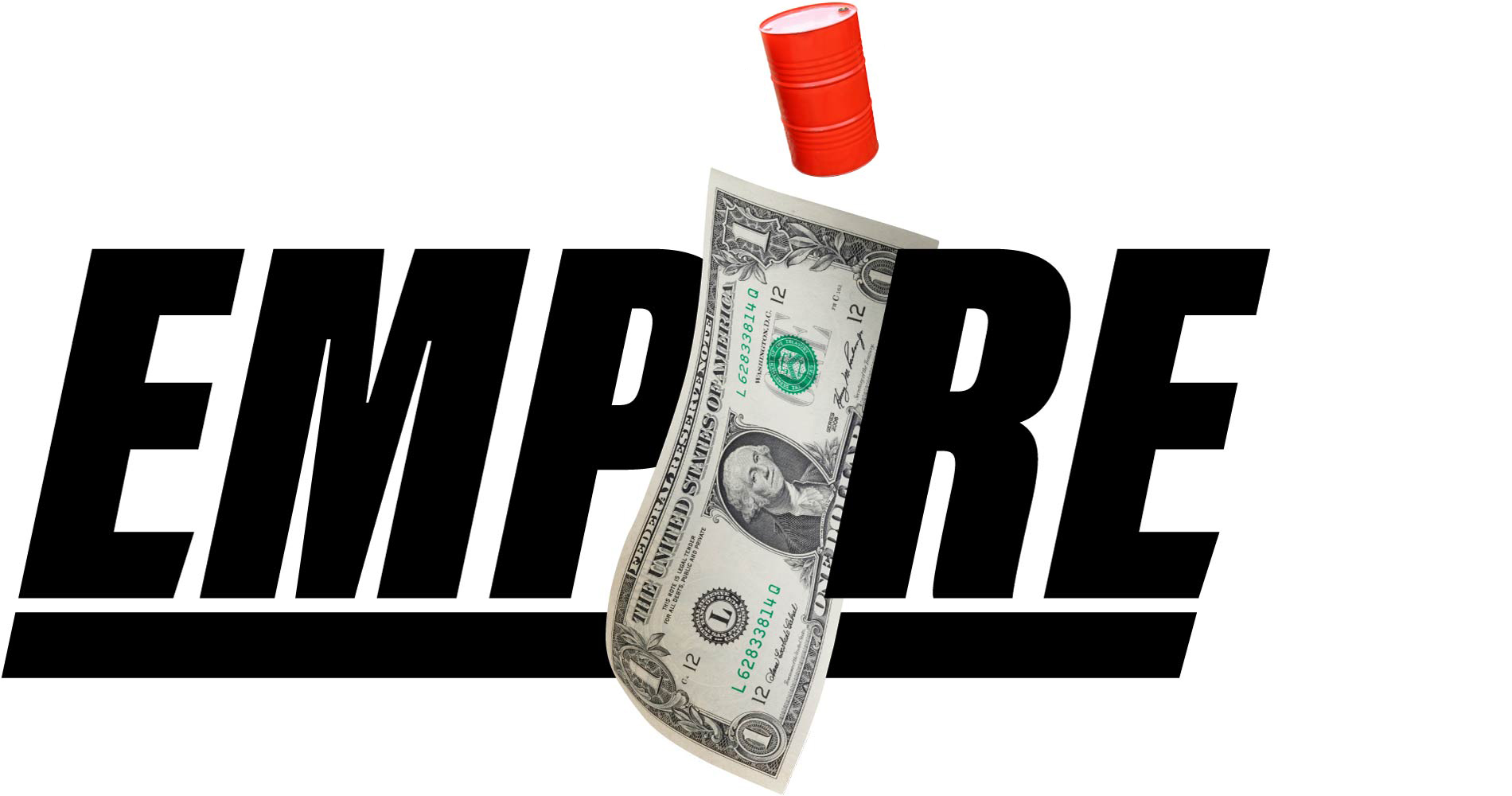
The soldier, the banker, the oil tanker by Nick Gottlieb
The Gaza world order by Nashwa Lina Khan
Years of lead in the Silicon Valley by Paris Marx
A branch plant for bombs by Kelsey Gallagher
Most-favoured nation on a hill by Stuart Trew
Middling powers by Jasmine Ramze Rezaee

Get The Monitor delivered to your inbox:
Subscribe-

Editorial: A time of monsters
The world order we have known all our lives is gone, and it is time to stop pretending otherwise. What will replace it?
-
Panama, Alberta: Canada and the return of U.S. hemispheric imperialism
The U.S. and Canada’s partnership is collapsing under the “Trump Corollary” to the Monroe Doctrine—a plan for complete dominance of the Western hemisphere.
-
The soldier, the banker, the oil tanker
Fossil fuels and dollar-dominated financial architecture underpin the U.S. empire. Dismantling them will bring it down.
-

The Gaza world order
Israel’s ongoing genocide is the fascists’ blueprint for the world they seek to construct
-
Years of lead in the Silicon Valley
Tech oligarchs are building a world of technologically enabled authoritarianism. They’re no longer attempting to hide it.
-
A branch plant for bombs
Canada’s Defence Industrial Strategy aims for diversification, but has no roadmap.
-

Most-favoured nation on a hill: Surviving the new U.S. trade exceptionalism
Canadian trade policy should be made supportive of building resilient domestic economies at home and abroad.
-
Middling powers: If the rules are collapsing, what will Canada stand for?
If Canada believes in the value of international law and multilateral cooperation, that commitment must shape its foreign policy.