


Share
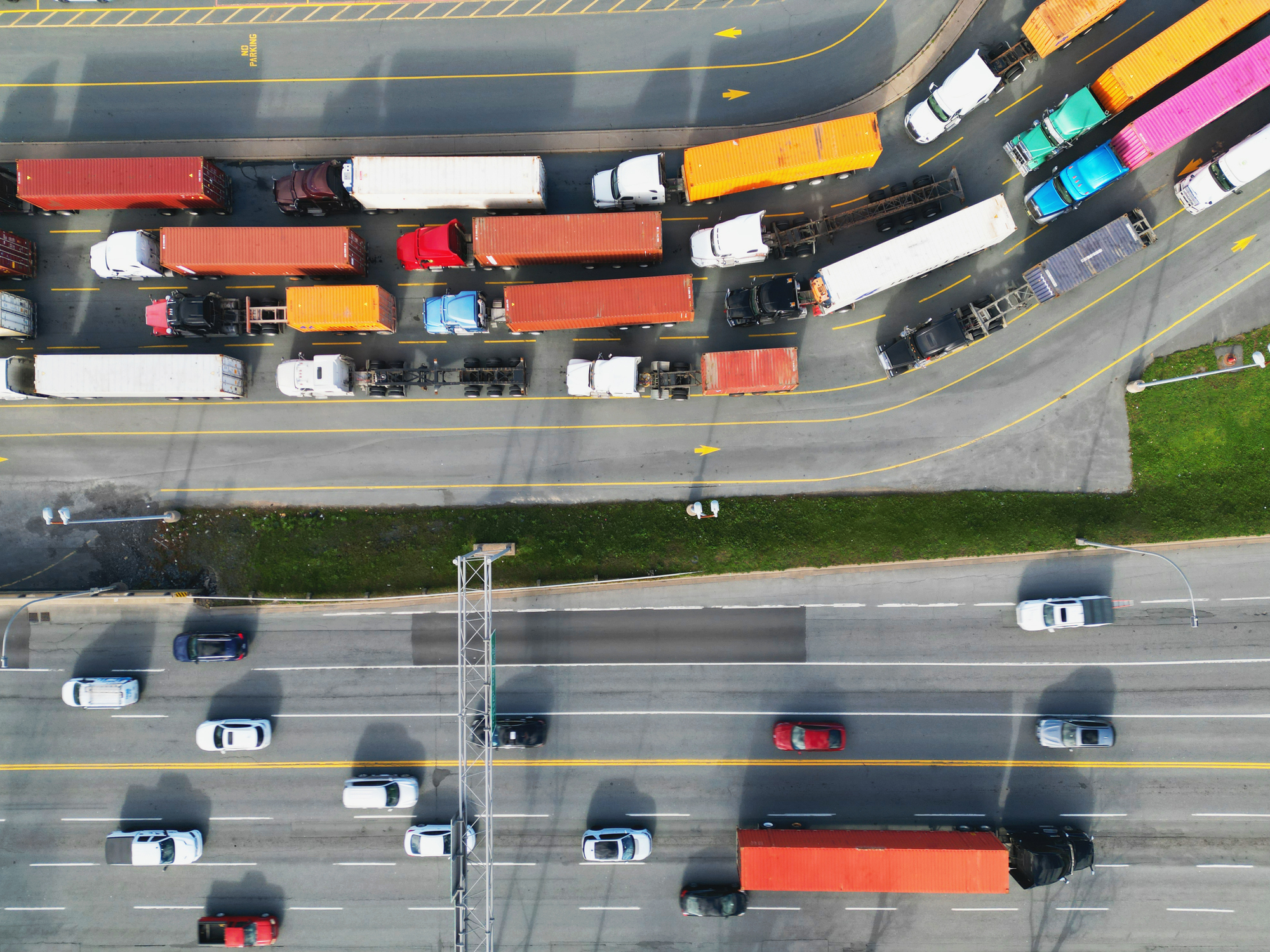
Canada can’t become a sovereign country by doing the same old things, explains a new compendium of essays offering a playbook for economic self-sufficiency. Elbows Up: A Practical Program for Canadian Sovereignty—co-sponsored by the CCPA, the Centre for Future Work, and several national civil society organizations—is a response to corporate rallying cries responding to Donald Trump with a familiar playbook: deregulation, austerity, tax cuts, and fossil fuel expansion.
The collection includes contributions from 20 progressive economists and policy experts, many of whom participated in the Elbows Up Economic Summit held in September 2025 in Ottawa. They propose:
- Economic nation-building and the energy transition: Investments in sustainable energy and energy conservation will provide a larger and more lasting economic boost than more fossil fuel pipelines.
- Stronger communities and affordable homes: The positive impact of government investment in public transit and affordable and non-market housing.
- Breaking free of the staples trap: U.S. tariffs have deliberately targeted Canada’s high-tech, value-added industries, like automotive, primary metals, pharmaceuticals, aerospace, and machinery. A strong industrial strategy is needed so this frontal attack does not consign Canada to its previous role as supplier of primary staples products.
- Fulfilling the potential of the care economy: Canada’s trade-oriented, goods-producing industries receive most attention, yet almost 80 per cent of our GDP is produced in non-traded sectors. This includes the care economy, like health care and education, which need more investment, too—not austerity.
Canada needs to build big things, but we need to build the right big things, and the right way.
About the authors
Jim Stanford
Jim Stanford is an economist and the director of the Centre for Future Work.
Peggy Nash
Peggy Nash is a former senior union negotiator, a former member of parliament, and is a senior advisor at Toronto Metropolitan University. Her book, Women Winning Office: An activist’s guide to getting elected, is available at Between the Lines.
Duncan Cameron
Robert Chernomas
Fred Wilson
Fred Wilson is retired Director of Strategic Planning with Unifor (previously Assistant to the President with the Communications Energy, and Paperworkers Union of Canada). Author of A New Kind of Union (Lorimer, 2019). Follow his writing on labour and issues at medium.com/@jefred.wilson
Daniel Drache
Marc D. Froese
Lee Loftus
James Jenkins
Brendan Haley
Valérie Plante
Marc Lee
Marc Lee is a Senior Economist with the Canadian Centre for Policy Alternatives. Marc joined the CCPA’s British Columbia office in 1998, and is one of Canada’s leading progressive commentators on economic and environmental policy issues. From 2009 to 2015, Marc led the CCPA’s Climate Justice Project (CJP), which published a wide range of research on fair and effective approaches to climate action through integrating principles of social justice. Marc continues to write about climate and energy policy, strategies for affordable housing, federal and provincial budgets and macroeconomics. Marc has an MA in Economics from Simon Fraser University and a BA in Economics from the University of Western Ontario. Marc is a past chair of the Progressive Economics Forum, a national network of heterodox economists. He also served as a Visiting Professor at Simon Fraser University’s School of Public Policy in 2024 to 2025.
Angelo DiCaro
Angelo DiCaro is Director of Research at Unifor, Canada's largest private sector union and the primary union and lead voice of autoworkers in Canada. He is a member of the CCPA’s Trade and Investment Research Project (TIRP).
Guio Jacinto
Marisa Beck
Kaylie Tiessen
Matthew Mendelsohn
Armine Yalnizyan
Marjorie Griffin Cohen
Marjorie Griffin Cohen is an economist who is a professor emeritus of Political Science and Gender, Sexuality and Women’s Studies at Simon Fraser University.
Pat Armstrong
Pat Armstrong is a CCPA research associate and a distinguished research professor in Sociology at York University.