
- Home
- Topics
- Regions
- Magazines
-
-
-
The Monitor
A lot of AI discourse masks the fact that it is the result of a series of policy choices. Despite the government evoking Margaret Thatcher’s infamous “there is no alternative,” we do have a choice. And we should be serious about what that choice is.
-
-
-
-
Our Schools/Our Selves
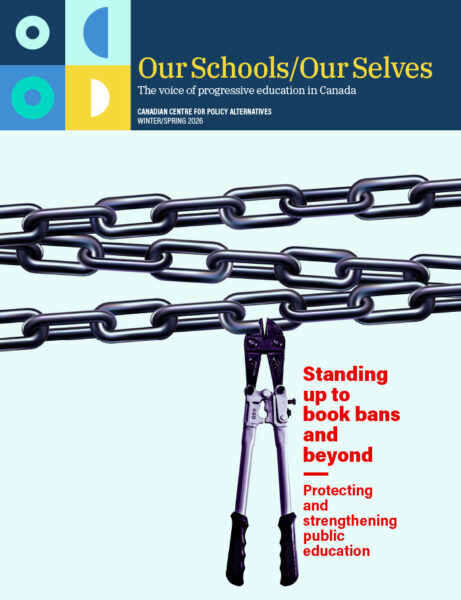
A guide to standing up to book bans and beyond, and how to protect and strengthen public education in Canada
-
-
-
-
- Media Inquiries
- Subscribe
- Legacy Gifts
- About
- Contact
- Donate Now
- Donate Now

Search results for “site/pharmacare”
-

Why BC needs sectoral bargaining now
Too many BC workers lack meaningful access to the benefits of collective bargaining and the failure of our labour laws to keep up with the evolving nature of work is a key culprit.
-

Federal Budget Response 2019
Budget 2019 identifies important targets, but falls short of substantial change OTTAWA—Budget 2019, tabled today in the House of Commons, takes steps forward on municipal infrastructure, support for seniors and capping the regressive stock option deduction, but missed the mark on delivering housing affordability and the significant cost-savings that can…
-
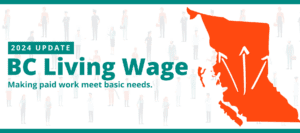
Soaring cost of living—especially for housing—causes living wages to increase across BC
The 2024 living wage for Metro Vancouver has risen to $27.05 per hour, a 5.3% increase from last year. This significant increase highlights the region’s deepening affordability crisis fuelled by sky-high housing costs. Living wages are also going up across the province as our new report shows. While inflation has…
-
Why the federal throne speech must blaze a bold new path
The Speech from the Throne is only weeks away. Moments like these—pandemics, depressions, wars—are historical turning points, often marking when fundamental change toward social and economic equality become possible.Unlike the apparently failed state south of the border that seems to be trudging toward a dystopian future, the federal government has…
-
Ontario budget throws down the election gauntlet
In its waning days before a June election, with the opposition breathing down its neck, the Ontario government threw down the gauntlet with what is unquestionably a pull out all the stops election budget. The marquee item was announced yesterday after weeks of big announcements: if re-elected, the government would…
-

Time to end information hide-and-seek games: Public deserves more prompt government disclosure of basic data
No one should be told to file a Freedom of Information request simply to learn who works for them. Government must give members of the public access to up-to-date and useful information on who is there to serve them and quit obfuscating and abusing access to information laws, Ben Parfitt…
-
Fair Pharmacare?
A Backgrounder on the Government’s Changes to BC’s Pharmacare Program Download 85.34 KB 6 pages
-
BC Hydro’s Integrated Resource Plan and The Case Against Site C
It could have been me taking time off during the short Vancouver summer, or perhaps that the news release got dropped on the Friday before the August long weekend, but I totally missed the release of BC Hydro’s Integrated Resource Plan (IRP). It is an important document for the province,…
-
UNSPUN 2019: Meth, Harm Reduction spark debate this Manitoba Election
Recent attention to issues of addiction in Manitoba has shifted from concern over opioids to methamphetamine use. Questions about government response have remained a hot topic during the run up to the provincial election. As a result harm reduction is starting to become a part of the public discourse. The…
-
New BC generic drug plan could save millions – but maybe not for everybody
Very, very quietly, the BC provincial government is negotiating new arrangements for the purchase of generic drugs that could save the province hundreds of millions of dollars. Done right, all BC taxpayers will win as more money becomes available for other health services. Done wrong, much of the savings for…
-

A Critical Assessment of Virtual Mental Health Care for Rural Nova Scotians
Download 1.17 MB8 pages The COVID-19 pandemic has had devastating impacts on mental health and healthcare systems across Nova Scotia and the country. While demand for mental health services escalated in response to the pandemic, many in-person services were shut down (MacIvor 2021; government of Nova Scotia 2022b; Pulok et…
-
December 2007: No Excuse For Denying Drug Coverage
It’s time to end Canadians’ long wait for Pharmacare Canadians have been waiting for Pharmacare since the early 1960s when it was proposed by the Royal Commission on Health Care. However, despite repeated promises in the ensuing decades from the National Forum on Health and even the Liberal party itself…